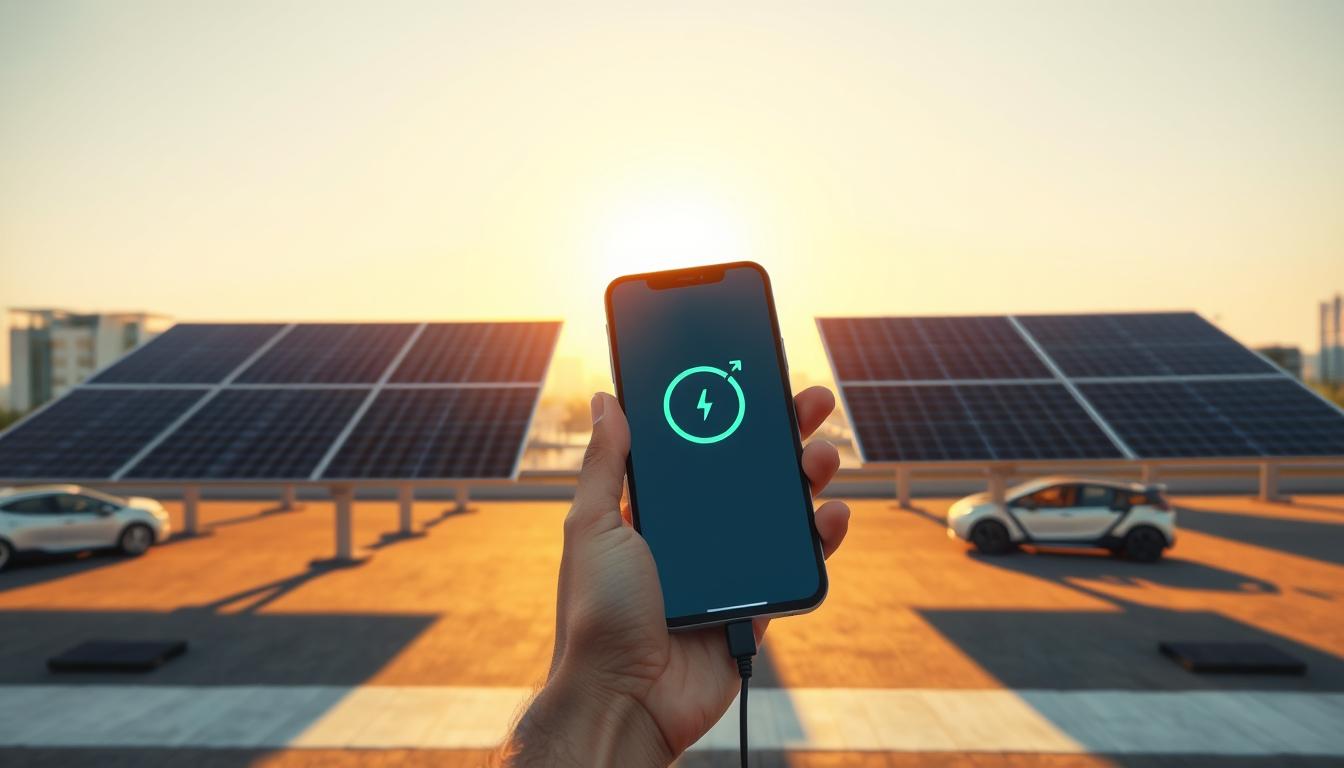
Using renewable energy is more important than ever. One great way to do this is by charging our devices with the sun’s power. This method is becoming more popular as people choose sustainable living.
For those who love the outdoors, a Solar Charger is a big deal. Companies like Goal Zero and Jackery make top-notch chargers. They’re great for camping or backpacking.
Switching to solar charging helps us use less traditional energy. This move supports a greener future. As we learn more about solar charging, it’s clear it’s here to stay.
What is a Solar Charger?
Solar chargers, like the BigBlue SolarPowa28 and X-Dragon 20W, turn sunlight into electrical energy. They have a solar panel that catches the sun’s rays and turns them into power. These portable solar chargers can charge many devices, from phones to laptops. They’re great for outdoor fun or emergencies.
How do solar chargers work? They have a solar panel, a battery (in some), and a charging controller. The solar panel grabs sunlight and makes electricity. The charging controller makes sure this electricity is safe and efficient for charging devices.
There are many types of solar chargers out there. Some are small and light, perfect for hiking. Others are bigger and can charge laptops. You can pick one that fits your needs based on portability and power capacity.
In short, solar chargers are a green way to charge your devices. They use solar energy, a better choice than old ways of charging. If you love the outdoors or want to be kinder to the planet, a solar charger is a smart choice.
Benefits of Using Solar Chargers
Solar chargers are a great way to live more sustainably. They help cut down on carbon emissions. Using chargers like theRenogy 100W FoldableorEcoFlow 110 means less use of traditional energy. This makes our environment cleaner.
Solar chargers are also good for your wallet. They might cost a bit upfront, but they save money over time. This is great for those who want to use renewable energy.
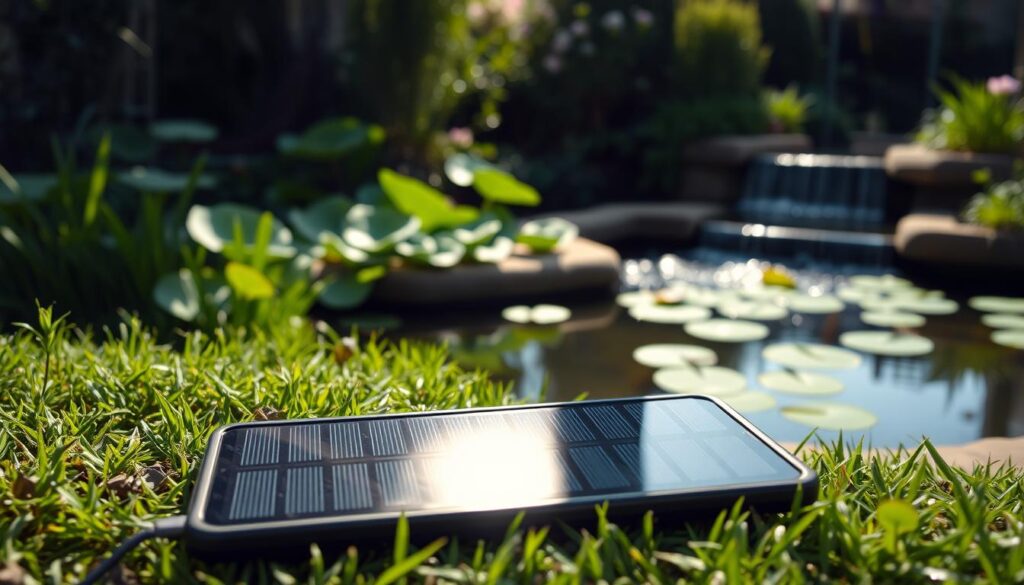
Solar chargers are also easy to carry around. They’re perfect for camping, hiking, or places with no power. They keep your devices charged, which is great for outdoor lovers and those with unreliable power.
Using solar chargers also helps the planet. They cut down on electricity from non-renewable sources. As more people use them, we can all help reduce greenhouse gas emissions.
In short, solar chargers offer many benefits. They’re good for the planet and can save you money. As technology gets better, solar chargers will become even more useful for a greener future.
Types of Solar Chargers
There are many types of solar chargers available, including foldable designs. These options meet different needs and preferences. This makes it easier for people to use solar charging.
The market has a wide range of solar chargers. You can find portable solar chargers great for trips and foldable solar panels for more power.
Foldable and Compact Designs
Foldable and compact solar chargers are very popular. Models like the FlexSolar 40W and BioLite Solar Panel 100 are known for their portability and efficiency. They are light and easy to carry, perfect for outdoor activities.
These chargers are not just convenient but also versatile. They can charge devices in many outdoor places, like campsites or beaches. When folded, they are easy to store in a backpack or bag, ready for use.
When picking a foldable solar charger, think about power output, durability, and what devices you’ll charge. This helps you choose the right charger for your needs, whether it’s for phones, cameras, or other gadgets.
The innovation in foldable solar chargers has made solar power more appealing. As technology improves, we’ll see even better and easier-to-use solar chargers.
How to Choose the Right Solar Charger
Choosing the right solar charger for your outdoor adventures is important. You need to think about several key factors. These factors affect how well the charger works and how happy you’ll be with it.
The power output is a big deal. It’s measured in watts and shows how fast your devices will charge. For example, the Allpowers SP012 Solar Panel 100W is great. It can charge everything from phones to laptops quickly.
Durability is also key, for those who use their chargers in tough places. Look for chargers that are built to last and can handle the weather. This means they’ll work well when you really need them.
Don’t forget about portability and weight. If you’re going on a long hike, a light and small charger is best. Some chargers fold up or come with cases, making them easy to carry.
Lastly, check if the solar charger works with your devices. Make sure it has the right ports and can give your gadgets enough power. Reading reviews or looking at product details can help you see if it’s compatible and performs well.
By looking at these points, you can pick a solar charger that’s perfect for your outdoor adventures and more.
Top Brands in Solar Chargers
Top solar charger brands are changing how we power our devices on the move. It’s key to find reputable manufacturers with quality products.
Goal Zero, Jackery, and BigBlue are leading solar charger brands. They are known for innovation, quality, and making customers happy. Goal Zero, for example, makes tough and reliable solar chargers great for outdoor fans.
Jackery solar chargers are known for their big capacity and fast charging. They have products for everyone, from small chargers to big ones for camping or emergencies.
Key Features to Look For
When picking a solar charger, look at charging speed, battery size, durability, and extra features. BigBlue, for example, has chargers with fast charging and tough designs for outdoor use.
These reputable manufacturers offer top-notch products and great customer service. They stand out in the solar charger market.
Choosing a solar charger from these top brands means getting a reliable and efficient product. It will meet your needs.
Solar Charger Maintenance Tips
To keep your solar charger working well, regular care is key. It helps your device last longer and charge your gadgets efficiently outdoors.
Cleaning Your Solar Charger is essential. Dust and dirt can block sunlight, reducing its efficiency. Use a soft, dry cloth to wipe it clean. For tough dirt, a damp cloth is okay, but dry it fully before using it again.

Anker, a top solar charger brand, says cleaning can boost efficiency by 25%. This shows how important regular upkeep is.
Storage Tips help your solar charger last longer. Keep it in a cool, dry spot, out of sunlight. Don’t fold or bend it too much, as it can harm the inside.
“The way you store your outdoor gear, including your solar charger, can significantly impact its lifespan. Proper storage is key to maintaining its efficiency and ensuring it remains functional when you need it.”
By following these easy maintenance tips, your solar charger will stay in top shape. It will give you reliable power for your adventures or emergencies.
Popular Uses for Solar Chargers
Solar chargers are great for outdoor adventures and emergency prep. They’re perfect for camping, hiking, or getting ready for emergencies. They give you a steady power source.
Outdoor Adventures: Solar chargers are essential for outdoor lovers. They let you keep your devices charged while exploring nature. This way, you can stay connected and take photos without battery worries.
“Solar chargers are a game-changer for outdoor enthusiasts, providing a reliable and eco-friendly way to keep devices charged.” – Experts say solar chargers are great for outdoor fun. They’re versatile and good for the planet.
Solar chargers are also good for other outdoor fun like backpacking, picnics, and music festivals. They’re easy to carry and use, making them perfect for outdoor activities.
Emergency Preparedness: Solar chargers are more than just for fun. They’re key for emergency situations. During a power outage or disaster, they help you stay in touch with family.
“In a survival situation, having a means to charge your phone or other critical devices can be the difference between safety and isolation.”
Adding solar chargers to your emergency kit is smart. It keeps you connected and informed when it matters most.
Limitations of Solar Chargers
It’s important to know the limitations of solar chargers to use them well. They are a green way to charge devices, but they face some big challenges.
One big issue is their need for sunlight. The weather can really affect how well they work. For example, the Jackery SolarSaga100’s charging power goes down when it’s not bright outside.

Another problem is how slow they charge devices. Solar chargers take longer than usual, which can be a big problem if you need to charge fast.
The cost of solar chargers is another challenge. They might save money later, but the initial price can be too high for many people.
Even with these problems, new tech is making solar chargers better. Better solar panels and batteries are helping them work better for more people.
Comparing Solar vs. Traditional Charging
Solar charging and traditional charging are two ways to power our devices. Solar charging uses the sun’s energy, while traditional charging comes from the grid. The grid often uses fossil fuels, but solar is renewable and sustainable.
Solar charging can help reduce our carbon footprint. It uses sunlight, which means less reliance on fossil fuels and lower emissions. A study found that using solar chargers could greatly help fight climate change by cutting down on non-renewable electricity use.
Traditional charging is often more reliable and steady. It doesn’t rely on the weather like solar charging does. This makes it better for situations where you need power all the time.
The cost of solar chargers is dropping, though they might start higher. But, the price of solar energy is going down fast. Experts say solar energy costs have dropped by over 70% in ten years, making it closer to traditional energy costs.
“The cost of solar energy has fallen by more than 70% in the last decade, making it more competitive with traditional energy sources.”
In summary, solar charging and traditional charging both have their good points and bad. Solar is green and getting cheaper, while traditional is steady and reliable. As tech gets better, solar might become even more appealing for many uses.
Future Innovations in Solar Charging
Solar charging is on the verge of a big change, thanks to new technologies and designs. The future of renewable energy will rely more on solar charging. This will make it more efficient, easy to use, and part of our everyday lives.
One big trend is better solar panels. Companies like EcoFlow and Renogy are leading the way. They’ve created chargers like the EcoFlow110 and Renogy100W Foldable. These chargers work better, are easier to carry, and last longer.
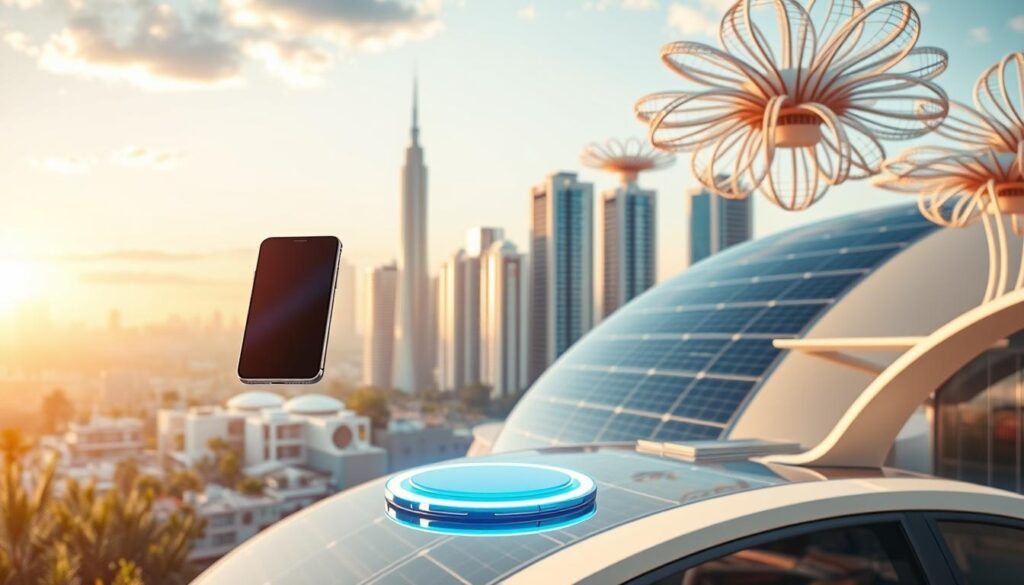
Advancements in Battery Technology are also key. Better batteries can store more energy and charge faster. This makes solar charging good for more things, like gadgets and electric cars.
Smart technologies are being added to solar chargers too. Features like real-time monitoring and energy forecasting make them work better. This improves how well they charge and how easy they are to use.
There’s also a push for sustainable and eco-friendly designs. Makers are using recyclable materials and designing products that are good for the planet. This means they’re not just useful but also kind to the environment.
Looking ahead, solar charging innovations will be very important. With more research and development, we’ll see even more exciting tech. This will help solar energy become even more popular.
Tips for Maximizing Solar Charging Efficiency
To get the most out of your solar charger, it’s key to place it right. The Allpowers SP012 Solar Panel 100W is a top choice for this. Make sure it’s facing the sun straight to boost its charging power.
Keeping your solar charger clean and clear is also vital. Clean the panel often and avoid shadows from trees or other things. These steps help your solar charger work better, making your investment worthwhile.
Using these tips can make your solar charger more efficient. This means your devices will stay charged, even when you’re away from power. Whether for camping, emergencies, or daily use, improving your charger’s performance is essential.