

Playing the Compliment Game can make someone’s day brighter and boost their confidence. Studies show that a genuine compliment can feel as good as getting money. This simple act can spread joy and positivity.
Giving compliments is an art that can make relationships stronger. By acknowledging others’ hard work and achievements, we show we care. This can lead to stronger bonds and a more harmonious place.
Embracing the Compliment Game means being true and sincere in our praise. It’s about seeing the good in others and sharing it in a real and heartfelt way.
Understanding the Compliment Game
Giving compliments is more than just being polite. It’s about emotional reciprocity. When we give compliments, we start a social exchange. This can make relationships stronger and create a positive vibe.
The psychology of compliments shows they deeply affect our feelings. Getting a real compliment can lift our self-esteem and make us feel part of something. Giving compliments, on the other hand, makes us more empathetic and understanding towards others. This shows the benefits of giving compliments.
Emotional reciprocity is key in the Compliment Game. It’s a mutual benefit where both sides feel good. By using this, we can build a more supportive and encouraging space. This improves personal relationships and helps make our community better.
Also, giving and getting compliments can inspire others to do the same. This creates a culture where positivity and appreciation are common. As we dive deeper into the Compliment Game, we see its effects go beyond just personal interactions. It can change how we interact with each other.
How to Start the Compliment Game
Giving compliments is easy. Just say thank you for someone’s effort or style. Be real and sincere when you do. It’s important to show you really care.
Look around you, at work, with friends, or at home. Simple compliments can make someone’s day better. For example, praising a colleague’s presentation or a friend’s style can make everyone feel good.

Compliments don’t have to be big. Small, sincere words can mean a lot. When you give compliments, be specific. Say “I love that shirt with your eyes” instead of “you look nice.” It shows you pay attention.
A Simple Approach to Compliments
Start by noticing what people do. Acknowledge their hard work or unique qualities. A simple “great job” or “you’re so positive” can go a long way.
Make compliments a regular part of your day. Doing this often makes it easier to start the Compliment Game with others.
By following these tips, you can start the Compliment Game. It will make your relationships and surroundings better.
Types of Compliments to Give
Giving compliments is an art with many types for various relationships and occasions. Knowing these types can make your compliments more meaningful and impactful.
Compliments are a thoughtful way to show you care. They can vary based on who you’re giving them to, like friends, colleagues, or loved ones. For example, a compliment for a friend might be about their personality or achievements. On the other hand, a compliment for a colleague could be about their professional skills or work ethic.
Compliments for Friends, Colleagues, and Loved Ones
For friends, compliments can be about their style, personality traits, or accomplishments. For instance, “Your positivity is infectious and always brightens up my day” or “I love your sense of style; you always look so put together.”
For colleagues, compliments can highlight their professional skills, work ethic, or contributions to the team. Examples include “Your presentation skills are impressive; you have a way of engaging the audience” or “Your attention to detail is outstanding and really contributes to our team’s success.”
For loved ones, compliments can be more personal and intimate. They focus on their qualities, efforts, or the joy they bring to your life. For example, “You have a way of making me feel loved and appreciated every day” or “Your kindness and patience are qualities that I admire and aspire to.”
“When you give a compliment, you’re not just making the other person feel good; you’re also creating a positive atmosphere that can uplift everyone around you.”
It’s also important to note that compliments can be given for different occasions, like birthdays or achievements. The key is to be sincere and genuine in your praise.
In conclusion, the types of compliments you give can greatly impact how they are received. By tailoring your compliments to the person and the occasion, you can make them more meaningful and effective.
Creating a Comfortable Atmosphere
Sincerity is the base of the Compliment Game. It starts with the atmosphere. When people feel relaxed, they give and receive compliments more genuinely.
Establishing a relaxed tone is key for a comfy atmosphere. Be friendly, make eye contact, and speak in a warm voice. Nedra Glover Tawwab says being real when giving compliments is important. This shows in the atmosphere.

The space should be free from distractions. This lets people focus on each other. Turn off phones and find a quiet spot for the game.
Sincerity is key for the Compliment Game’s success. A relaxed atmosphere helps people be themselves. This leads to deeper connections.
Creating a comfy atmosphere sets the stage for a fun Compliment Game. It helps build stronger bonds and more meaningful relationships.
Tips for Delivering Compliments
Effective compliments are given with conviction and authenticity. It’s key to be sincere and genuine. The third web source shares insights on compliment formulas, stressing the need for sincerity.
To give compliments well, follow these tips:
1. Be Specific: Don’t give generic compliments. Be specific about what you appreciate. For example, “Your presentation skills are impressive; you have a great ability to engage the audience.”
2. Use Positive Body Language: A smile or eye contact can make your compliments more impactful.
3. Timing Matters: The right time for a compliment can make a big difference. Compliment someone during celebrations or after a big achievement.
4. Personalize Your Compliments: Make your compliments personal. Think about what they value and what they like. This shows you care about them.
Using these tips in your Compliment Game can make your compliments meaningful and impactful. Always aim to be genuine and sincere. This way, the other person will feel valued and appreciated.
Keeping the Compliment Game Fun
To keep the Compliment Game exciting, make it a daily habit. Making compliments a habit leads to more positive interactions. It makes the experience enjoyable for everyone.
As the web source mentions, “the more you compliment, the better you feel.” This shows that being consistent is key. By adding compliments to your daily talks, you create a supportive and encouraging space.

Start small to make compliments a habit. Begin with simple, genuine ones that feel natural. For instance, you could praise a coworker for their hard work or a friend’s humor.
As you get more comfortable, expand your compliments. Acknowledge someone’s hard work or their unique qualities. This way, you can keep the Compliment Game fun and engaging. It fosters a culture of positivity and appreciation.
The Role of Active Listening
By truly listening to others, we can give compliments that are both personalized and heartfelt. Active listening is key to building meaningful interactions. It’s even more important when giving compliments.
Noticing details about others is a big part of active listening. Nedra Glover Tawwab says paying attention to the specifics can really make a difference. It’s about being fully present and showing real interest in what the other person is saying or doing.
Active listening is more than just hearing words. It’s about understanding the context, tone, and emotions behind them. This deeper understanding lets us give more sincere and relevant compliments. For example, if someone is talking about a tough project, acknowledging their hard work can be very powerful.
“The art of listening is the art of making people feel important and valued.”
Using active listening to enhance compliment giving makes compliments more meaningful. It also strengthens relationships. Showing you value and respect someone can lead to more positive interactions.
Adding active listening to your interactions is simple. Just keep eye contact, ask follow-up questions, and don’t interrupt. These actions show you’re fully engaged, making your compliments more impactful.
Common Mistakes to Avoid
One of the biggest challenges in the Compliment Game is avoiding mistakes. These can make your compliments misunderstood.
Giving compliments is a delicate art. There are several pitfalls to watch out for. One big mistake is being insincere. When compliments are not real, they can seem like flattery or manipulation.
Another mistake is giving compliments that are inappropriate or overly personal. This can make the person feel uncomfortable or even harassed. It’s important to think about the context and what the person likes before giving a compliment.
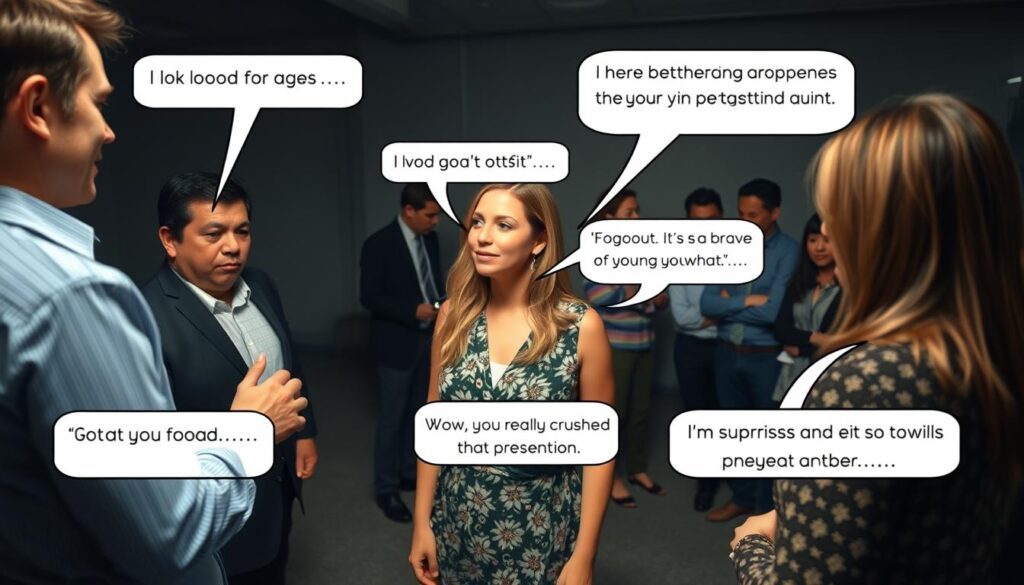
Also, overpraising can lessen the impact of your compliments. When everything is praised the same, it’s hard to know what’s truly special.
To avoid these mistakes, be mindful and thoughtful when giving compliments. Knowing these common errors helps make sure your compliments are appreciated and well-received.
Incorporating Technology into the Game
Adding technology to the Compliment Game opens up new ways to share kindness online. Social media and digital platforms make it simple to give and receive compliments.
Using social media to share compliments is a great idea. A tweet or Instagram post can brighten someone’s day. For example, praising a colleague’s work on LinkedIn can boost their morale and reputation.
Digital tools can also help share appreciation in groups or communities. Online forums, apps, or email threads are good for this. They work well in workplaces or schools where digital communication is common.
Key benefits of incorporating technology into the Compliment Game include:
- Increased reach and visibility for compliments
- The ability to share compliments across geographical distances
- Enhanced opportunities for feedback and recognition in digital environments
By using technology, we can make the Compliment Game more fun and accessible. It helps spread kindness and builds appreciation in online communities.
Expanding the Compliment Game
Expanding the Compliment Game beyond personal relationships can foster a culture of appreciation. By sharing compliments in various contexts, we can create a more supportive and positive environment.
Compliments in Online Communities
Online forums, social media groups, and other digital platforms offer vast opportunities to spread positivity through compliments. For instance, acknowledging someone’s contribution to a discussion or appreciating a shared resource can enhance the online atmosphere. A simple “thank you” or recognition of someone’s effort can go a long way in making the digital space more welcoming.
The Compliment Game can have a significant impact when taken to community levels, such as local events, workplaces, or neighborhood gatherings. Publicly acknowledging people’s achievements or efforts not only boosts their morale but also encourages others to do the same, creating a ripple effect of kindness and appreciation.
By expanding the Compliment Game, we can build stronger, more positive communities. This approach not only enhances personal relationships but also contributes to a broader culture of gratitude and respect.
The Impact of Compliments on Relationships
Compliments have a big impact on relationships, creating a culture of appreciation and respect. When we give genuine compliments, we show we value and appreciate others. This can make our bonds with them stronger.
Giving compliments can make relationships better. By recognizing and valuing others’ efforts and qualities, we create a supportive space. This improves our interactions and deepens our connections.
Compliments also help strengthen relationships by making the atmosphere positive and uplifting. When both feel appreciated and valued, they engage in meaningful talks.
Studies show compliments can lastingly improve our relationships. By adding genuine compliments to our daily talks, we build stronger, more respectful bonds.
In summary, compliments have many benefits for relationships. They offer positive reinforcement and help create a culture of appreciation. This greatly improves the quality and depth of our connections.
Final Thoughts on the Compliment Game
Playing the Compliment Game every day can bring big benefits. It helps create a world where everyone values and respects each other. By following the tips shared, you can make your surroundings more positive and supportive.
When you give compliments, you make someone’s day better. This act also helps make our communities more caring. As more people play the Compliment Game, our society becomes more empathetic and kind.
By making compliments a regular part of your life, you’ll enjoy giving and receiving them. This simple act can make your personal and work life richer. It’s a way to spread kindness and understanding everywhere you go.