
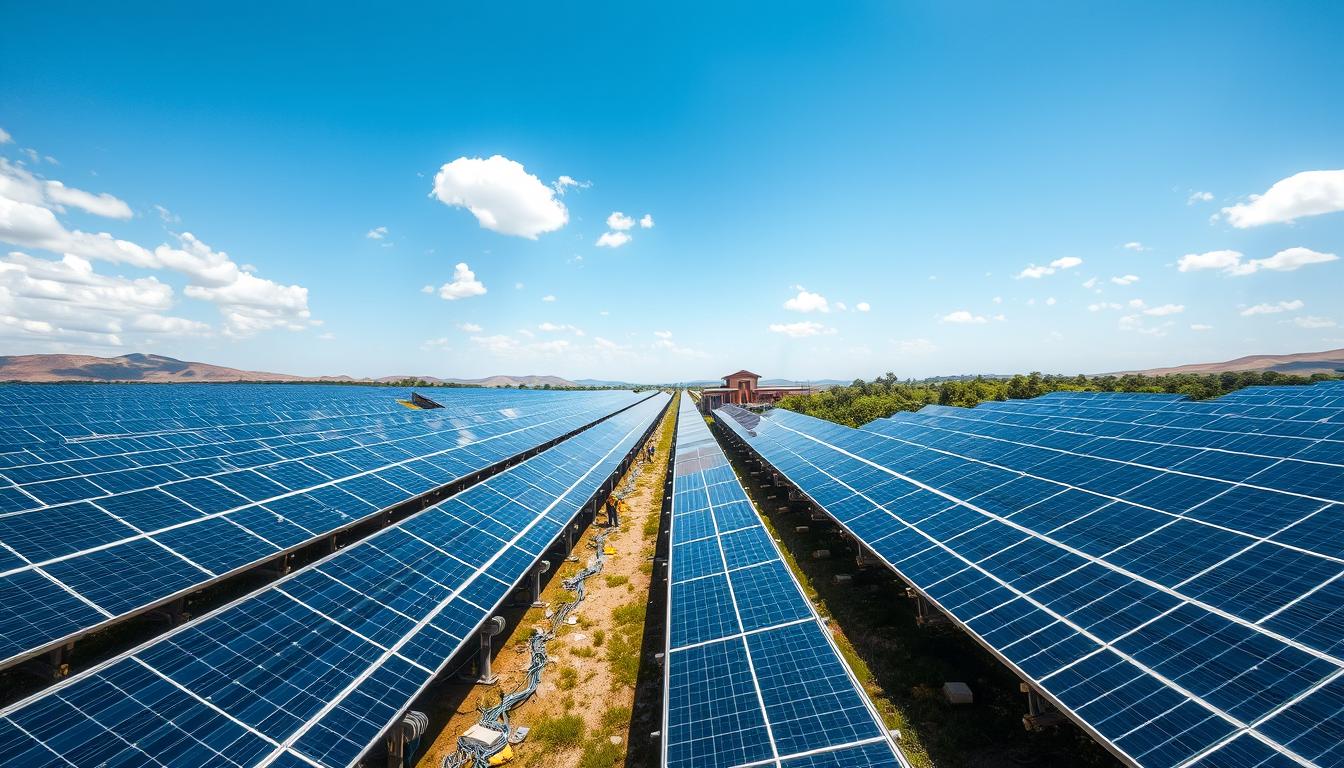
The sun is a natural nuclear reactor. It releases tiny packets of energy called photons. These photons travel 149.6 million kilometers to Earth in about 8.5 minutes.
Capturing the sun’s energy is key to making electricity for homes and businesses. Solar panels turn sunlight into electricity. This gives us a clean and renewable energy source.
Using the sun’s power helps us use less non-renewable sources. This makes our future more sustainable. It’s good for the environment and saves energy, making solar panels a great choice for those who want to lower their carbon footprint.
Understanding Solar Energy: The Basics
Solar radiation from the sun is the base of solar energy generation. This energy is key for our planet. Knowing how it works is important for solar panels.
The amount of solar radiation on Earth changes a lot. The Earth’s tilt, air conditions, and where you are affect it. These factors decide how much sun you get.
Clean energy is vital as we move to renewable sources to fight climate change. Solar energy is a clean option. It lets us make electricity without bad gases.
Solar energy works better in some places than others. Near the equator, where it’s sunnier, is best for solar farms. Knowing where to put solar panels is important for making more solar energy.
In short, knowing solar energy basics is key to its use as a renewable source. By understanding solar radiation and how to use it, we see solar panels’ role in clean energy.
How Solar Panels Convert Sunlight
Solar panels turn sunlight into electricity. This magic happens through the photovoltaic effect. It’s a way light turns into electrical energy.
The photovoltaic effect works in PV cells, the basic parts of solar panels. When sunlight hits a PV cell, it frees electrons from their atoms. Experts say, “The energy from photons excites electrons, creating an electrical current.”
“The future of energy is bright, and it’s being driven by innovations in solar technology.”
How PV Cells Work
PV cells are made from silicon, a semiconductor material. When photons hit a solar cell, they free electrons. If conductors are attached to the cell’s sides, it forms a circuit.
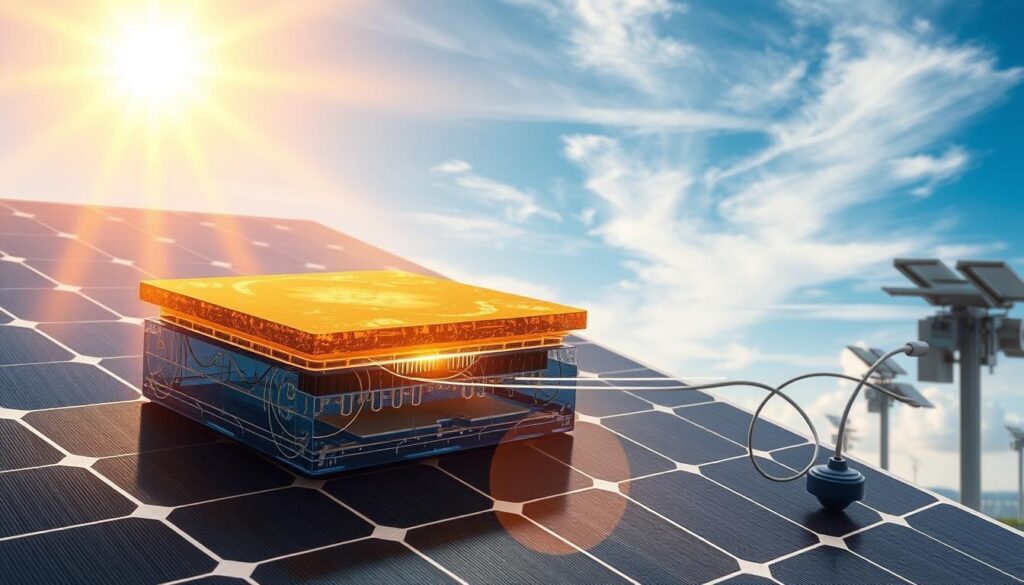
The efficiency of solar panels depends on several things. These include the quality of PV cells and how much sunlight they get. New technology has made solar power systems better and cheaper.
As we move towards renewable energy, knowing how solar panels work is key. The photovoltaic effect is central to this. It offers a clean, sustainable way to make power.
Types of Solar Panels Available
Solar panels come in many types for homes and businesses. They meet various energy needs, from small homes to big projects.
Residential Solar Panels are for homes, often on rooftops. They are less powerful but efficient and look good. Homeowners can pick from monocrystalline, polycrystalline, and thin-film panels, each with its own perks.
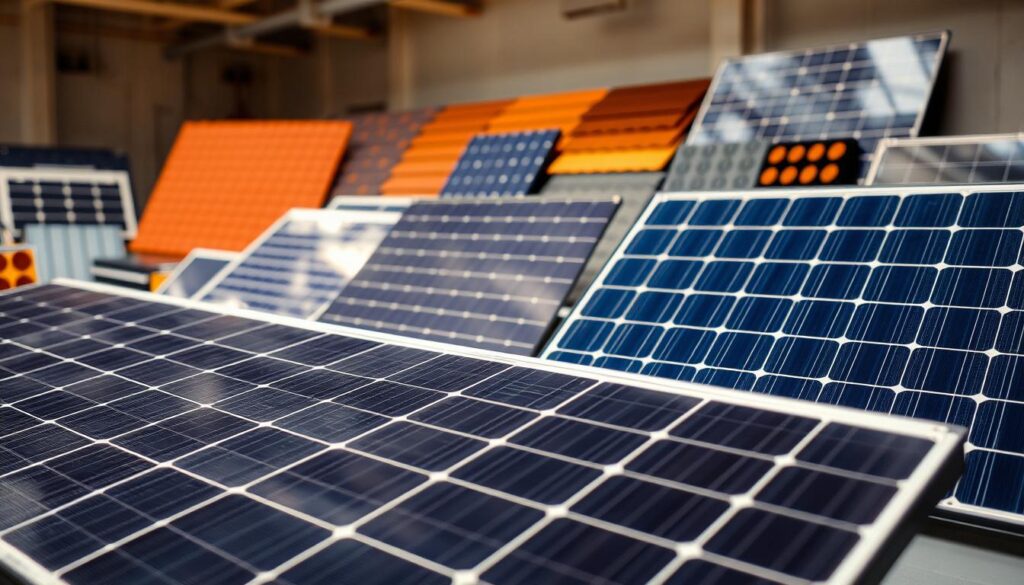
Commercial Solar Panels are for big installations. They are cheaper for large energy needs. These panels can go on rooftops or building sides. They need fewer panels to match residential energy output.
Choosing depends on energy needs, budget, and space. Monocrystalline solar panels are efficient and durable, great for both homes and businesses.
Knowing about solar panels is key to a good choice. Whether you want to cut energy costs or lessen your carbon footprint, there’s a panel for you.
Installation Process of Solar Panels
Installing solar panels involves several steps. First, we assess the site. Then, we design the system. Lastly, we install it. This ensures the system works well and safely.
First, we check the site for the panels. We look at the roof’s condition, its direction, and any shadows. Proper site assessment is critical to maximize energy production.
After checking the site, we design the system. We figure out the system’s size, pick the right panels, and plan the layout. Efficient system design is key to ensuring the solar panels produce the maximum amount of energy.
“A typical grid-tied PV system, during peak daylight hours, frequently produces more energy than one customer needs, so that excess energy is fed back into the grid for use elsewhere.”
Then, the installation team starts the work. They mount the panels, connect them to an inverter, and link the system to the grid. Proper installation is essential to ensure the system operates safely and efficiently.
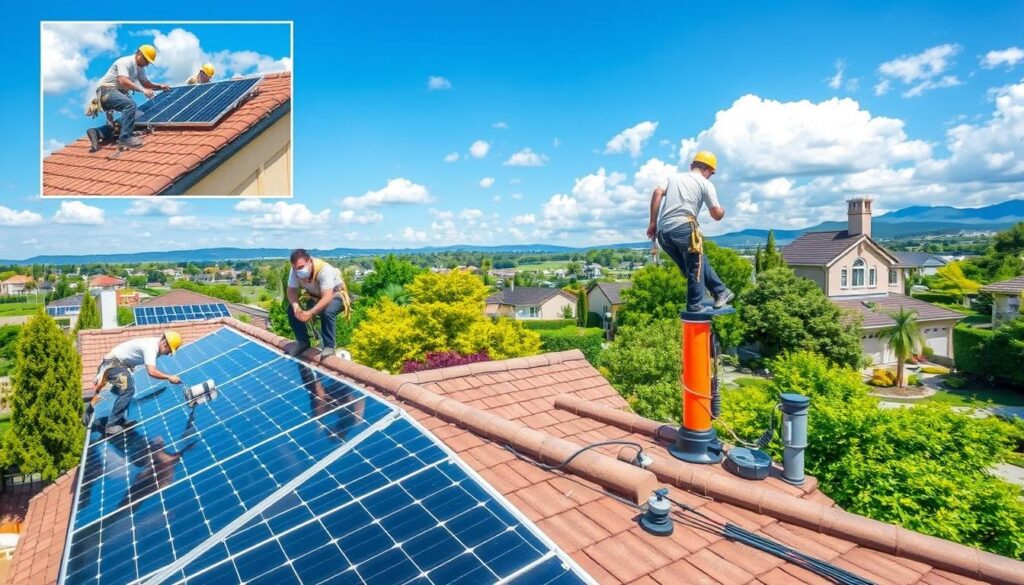
Lastly, we inspect and test the system. We make sure it’s making the right amount of energy and all parts are working right.
The Financial Aspects of Solar Energy
Solar energy is a smart financial choice. It saves money and helps the environment. By choosing solar, you’re making a wise move for your wallet and the planet.
One big plus of solar energy is lower electricity bills. Solar panels let you make your own power. This means you use less from the grid and pay less for energy. This can save you a lot of money, as energy prices keep going up.
There are also many financial perks for solar panel owners. You can get federal tax credits, state and local rebates, and more. For instance, the federal solar tax credit can cover a big part of your system’s cost.
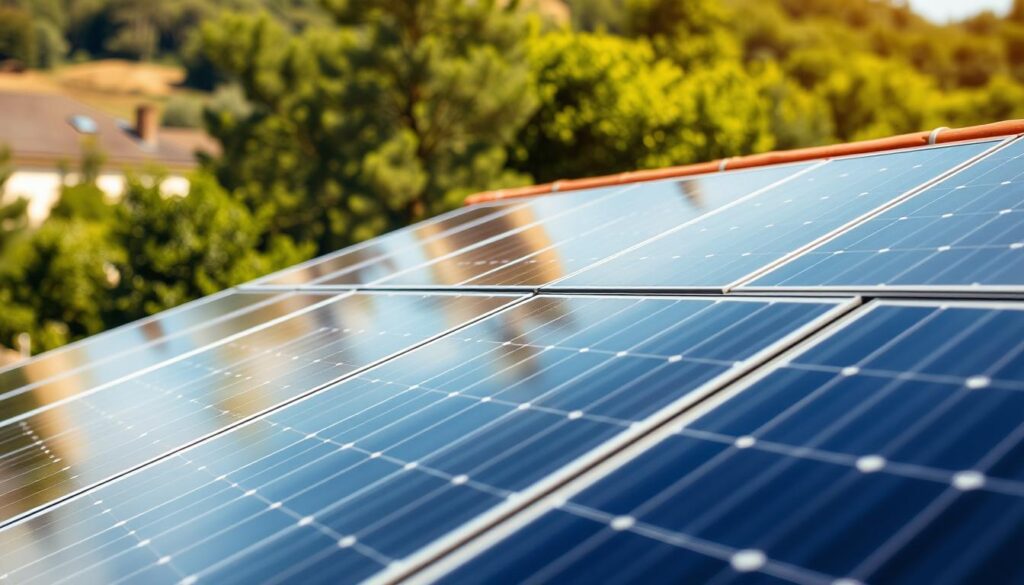
Also, solar energy can be a smart investment. As energy prices climb, solar’s value grows. Homes with solar panels are more appealing to buyers. This can boost your home’s value if you sell it later.
In summary, solar energy is a great financial choice. It offers savings, incentives, and a chance for a good return on investment. Solar energy is a smart way for homeowners to cut costs and help the planet.
Maintenance and Longevity of Solar Panels
Solar panels can last over 25 years, thanks to new technology and quality materials. This makes them very durable.
Regular Maintenance is key to keep solar panels working well. Cleaning them often removes dirt that lowers their efficiency. It’s also important to check for damage or wear on the panels and their mounts.
Solar panels are made from materials that can be recycled. This helps the environment and makes solar energy more sustainable.
It’s also important to watch how well solar panels are working. Use monitoring systems to track their energy output. If performance drops, it might mean there’s a problem.
Long-term Performance of solar panels depends on their quality and technology. For example, high-efficiency panels make more electricity from sunlight. This means they last longer and work better.
By keeping solar panels clean and using high-quality ones, you can get the most out of them. This ensures they last a long time and produce a lot of energy.
The Environmental Impact of Solar Energy
The world is facing big challenges with climate change. Solar energy shines as a beacon of hope. It’s a clean, endless power source that doesn’t release harmful gases.
The environmental impact of solar energy is much lower than old energy sources. Using the sun’s power helps us use less polluting energy. This cuts down air pollution and fights climate change.
Clean energy like solar power is key for a green future. It cuts down carbon emissions and saves water and land. As tech gets better, solar energy gets cheaper and more efficient.
Switching to solar energy makes our world cleaner and healthier for the next generations. It’s a big step towards a greener, more aware world.
Common Myths About Solar Energy
Solar energy is becoming more popular, but myths are holding it back. Many people have wrong ideas about its benefits and how it works.
One myth is that solar panels don’t work on cloudy days. But, solar power can be generated even when the sun is not shining brightly. Solar panels need some daylight to work, so they can produce electricity on cloudy days, just not as much.
Another myth is that solar energy systems are too expensive. The cost is high at first, but the long-term savings on energy bills and possible incentives make it worth it for many.
Some think solar panels are ugly and lower property value. But, modern solar panels are designed to look good. They can even increase property value. Plus, solar energy is great for the environment, which is a big plus for those who want to reduce their carbon footprint.
Knowing the truth about these myths helps people make better choices about solar energy. As technology improves, solar energy will become more efficient, affordable, and appealing. This will help clear up the misconceptions that have surrounded it.
The Future of Solar Energy Technology
The future of solar energy looks bright, with new advancements and innovations on the horizon. These changes will help the world move towards cleaner energy sources. Solar energy is set to lead this transition.
The U.S. Department of Energy (DoE) is leading the charge in solar energy research. They focus on improving photovoltaic and concentrating solar-thermal power systems. Their work aims to make solar energy more efficient and affordable for everyone.
As solar energy tech improves, we’ll see big steps forward in energy storage and grid integration. This will make solar energy more reliable and efficient. It will also help us use less fossil fuels and fight climate change.