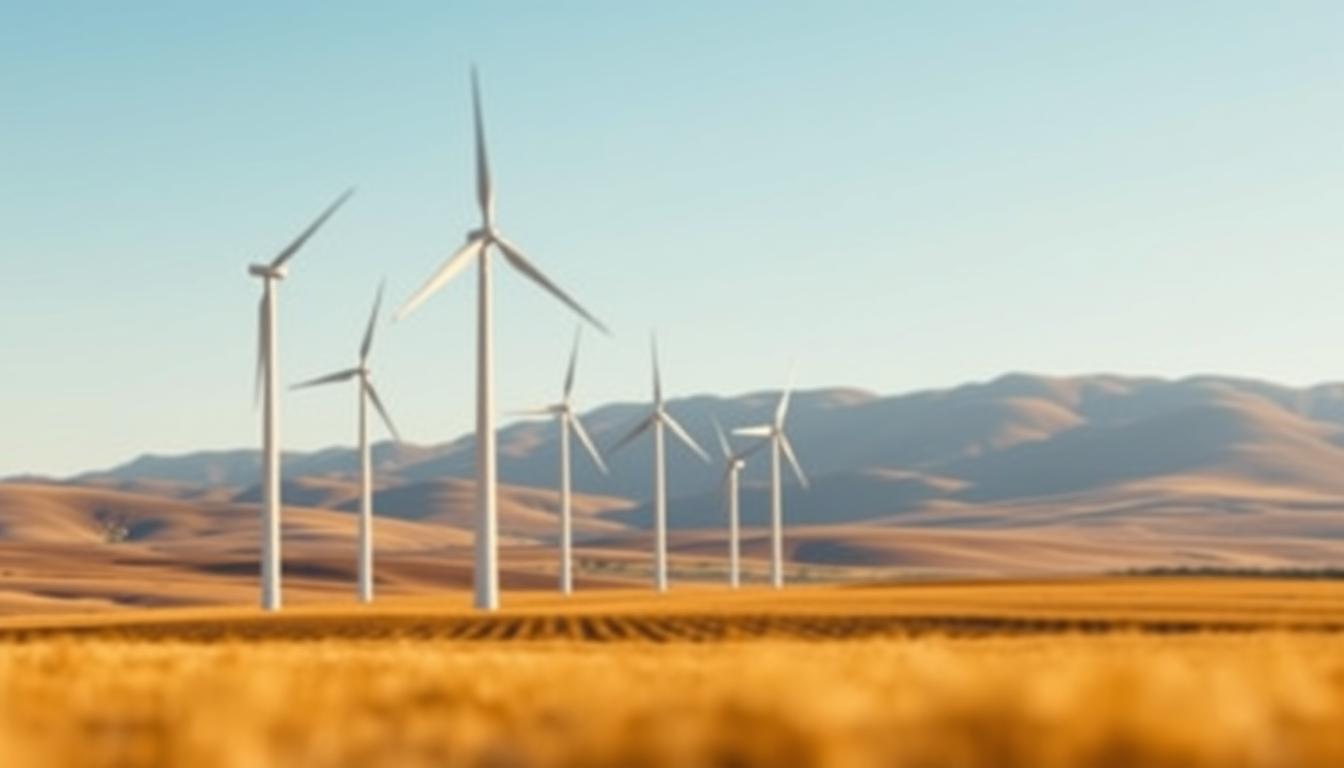
The world is moving towards renewable energy, and wind turbines lead the way. These devices turn air movement into electricity. This makes them a clean and sustainable power source.
Wind turbines work on a simple idea. They use the power of moving air to make electricity. This is different from fans, which use electricity to move air.
Thanks to this technology, wind turbines are key in reducing our use of less green power. They help make our environment cleaner.
Understanding Wind Energy and Its Importance
Wind energy comes from the sun’s uneven heating of the atmosphere. It also comes from the earth’s surface and its rotation. This creates air movement, which we use with wind turbines to make clean energy.
Wind energy is very important because it can help a lot with sustainable power. The world is facing big problems like climate change and pollution. Wind energy is a key part of solving these issues. The American Wind Energy Association says wind energy is growing fast in the United States.
“Wind power is key in fighting climate change,” says Tom Kiernan, CEO of the American Wind Energy Association. “It’s a clean, homegrown electricity source. It cuts down on fossil fuels and helps fight climate change.”
To use wind energy, we set up wind farms in windy places. The turbines in these farms turn wind into electricity. This electricity goes into the power grid. Moving to clean energy is vital for less pollution and a greener future.
In short, knowing about wind energy is important. It shows its big role in our energy future. As we look for better sustainable power options, wind energy will be key in making our world cleaner and greener.
How Wind Turbines Work
Wind turbines use the force from their rotor blades to make electricity from wind. They have several key parts that work together well.
The rotor blades catch the wind’s energy. When wind hits the blades, it makes a low air pressure above and high air pressure below. This makes the blade turn, like an airplane wing.
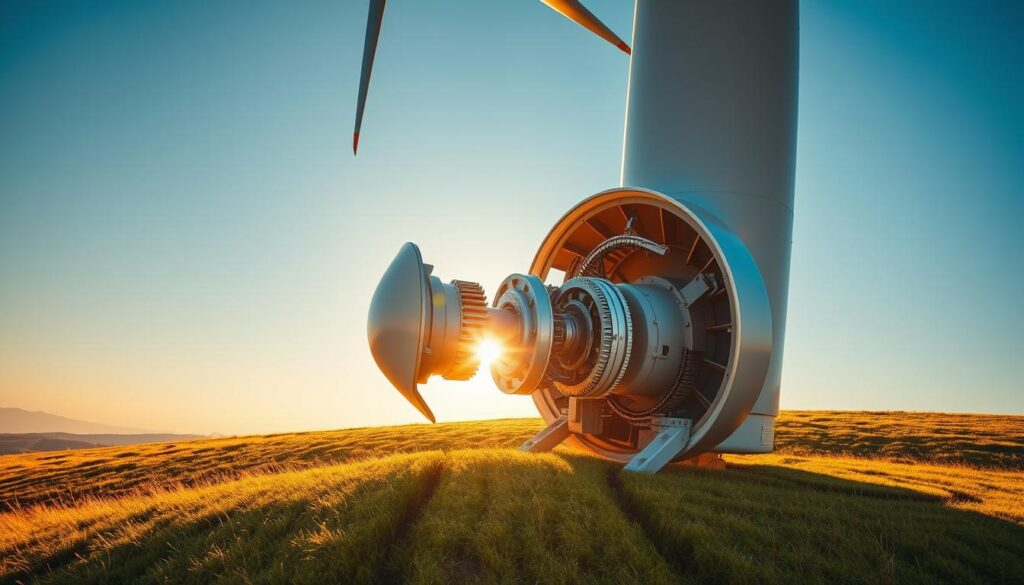
The turning blades are connected to a shaft. This shaft spins when the blades move. The shaft is linked to a generator.
The generator turns the shaft’s energy into electricity. It uses magnets and electricity to do this. This electricity goes into the power grid.
Important parts of a wind turbine include the nacelle and the control systems. The nacelle holds the generator and other parts. The control systems watch over the turbine to make sure it works well and safely.
Wind turbines are key in using renewable energy. They help us use less fossil fuels. This makes our energy cleaner and more sustainable.
The Physics Behind Turbine Movement
Turbine movement is mainly driven by aerodynamic forces on the blades as wind passes over them.
When wind hits the blade, air pressure drops on one side. This creates lift and drag. Lift is stronger, making the rotor spin.
The aerodynamic forces that make turbines turn are like those that let airplanes fly. The turbine blades are shaped to make wind flow create lower air pressure above and higher below.
This pressure difference makes the blade lift up, causing it to rotate. The blades’ rotation is linked to a shaft. This shaft spins and connects to a generator, turning mechanical energy into electricity.
The efficiency of energy generation in wind turbines depends on several things. These include the blade design, wind speed, and how well the turbine captures wind energy.
By grasping the physics of turbine rotation and improving turbine design, we can boost their energy output. This helps us move towards a more sustainable energy future.
Types of Wind Turbines
There are two main types of wind turbines: Horizontal-axis wind turbines and Vertical-axis wind turbines. Knowing about these is key to understanding wind energy. They show the complexity and variety of wind energy technology.
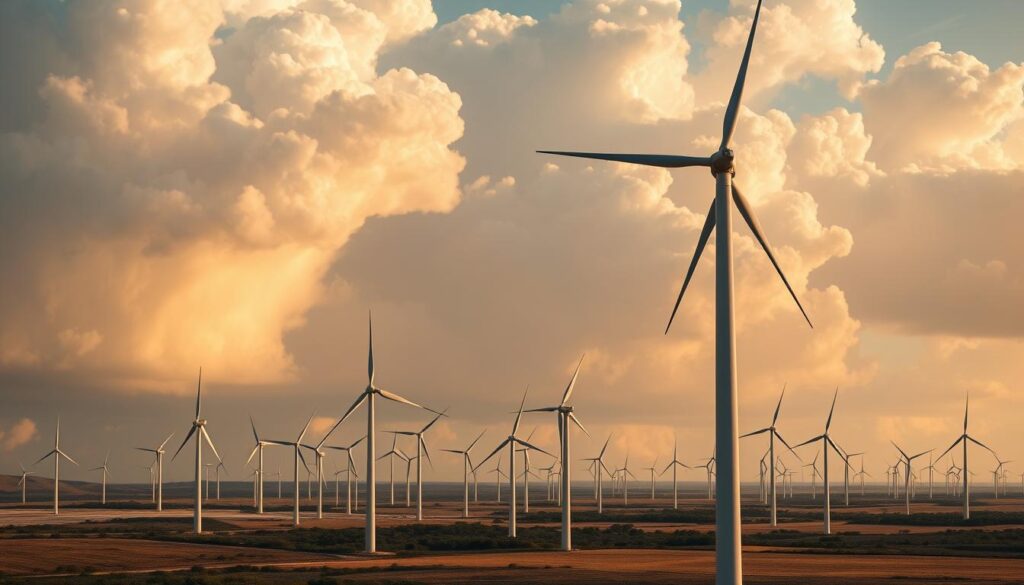
Horizontal-axis wind turbines are the most common. They have big, tall blades that spin around a horizontal axis. These turbines are very efficient and are often used in wind farms to make electricity. Their blades catch wind energy and turn it into mechanical energy, which then becomes electrical energy.
Vertical-axis wind turbines have a unique design. Their blades spin around a vertical axis. This lets them catch wind from any direction, without needing to face it. Even though they’re less common, vertical-axis turbines are great for urban areas or places with unpredictable winds.
Both types of turbines have their own strengths and uses. Horizontal-axis turbines are chosen for their high efficiency and are used in big wind energy projects. Vertical-axis turbines, on the other hand, are flexible and can fit in many settings, like homes.
Choosing between these turbines depends on several things. These include the project’s purpose, location, and needs. As technology gets better, both types will keep being important in wind energy.
The Process of Energy Conversion
Wind turbines are made to grab the energy in wind and turn it into electricity. This is done through a complex energy conversion process.
First, wind moves towards the turbine blades, making them spin. This spin is then passed to the rotor. The rotor is linked to a drivetrain.
The drivetrain is key. It changes the slow, strong spin of the rotor into electrical energy.
The drivetrain has a gearbox, a generator, and other parts. The gearbox makes the spin fast enough for the generator to make electricity. The generator then turns this mechanical energy into electrical energy through electromagnetic induction.
The electricity made is sent to the power grid. There, it’s shared to meet electrical needs. This power generation process is both efficient and clean. It makes wind energy a key part of moving to renewable energy.
To wrap it up, the energy conversion in wind turbines is a mix of mechanical and electrical parts. They work together to turn wind energy into electricity. This shows how vital wind to electricity conversion technology is.
Site Selection for Wind Farms
Choosing the right spot for a wind farm is key. Wind conditions are the most important. A good wind farm needs strong, steady winds.
The terrain also matters a lot. It affects how the wind flows and how easy it is to set up and fix the turbines. Flat areas are best because they’re easier to work with.
Getting to the electric transmission infrastructure is also important. Wind farms need to send their power to homes and businesses. Sites near power lines save money on setup.
Thinking about the environment and local rules is also vital. Studies check if the farm will harm local animals or plants. Following local laws is a must.
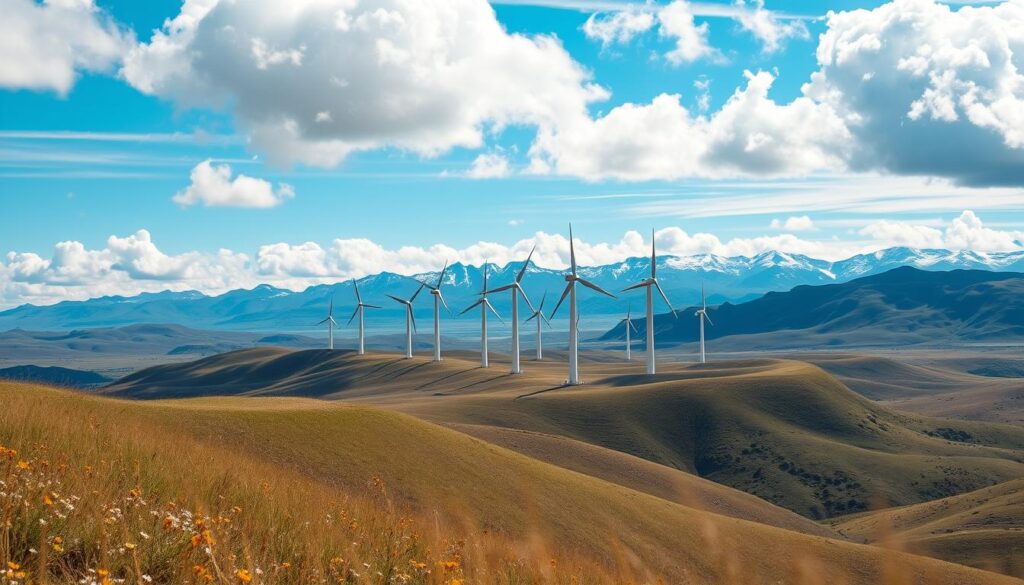
Being close to roads helps too. It makes moving equipment and workers cheaper and easier.
In short, picking a spot for a wind farm is complex. It’s about looking at wind, terrain, and access to power lines. This way, developers can find the best places for wind farms.
Wind Farm Design and Layout
Creating an effective wind farm design is key to using wind energy well. Wind power plants make electricity by having many wind turbines in one place. The way these turbines are set up is planned to get the most energy.
The way turbines are arranged in a wind farm affects its performance. Layout optimization helps cut down energy losses from turbine wake effects. Turbine wake is the area behind a turbine where wind speed drops because of the turbine’s energy use. By spacing turbines right, designers can lessen these losses, boosting the wind farm’s efficiency.
When designing a wind farm, several things are considered. These include the land’s shape, wind speeds, and the wind’s direction. For example, in areas with complex terrain, turbines might be placed to avoid wind turbulence from hills or valleys. Advanced computer models help predict the best spot for turbines.
Designing the wind farm’s infrastructure, like roads and electrical connections, is also important. Good design can lower construction and upkeep costs. This makes the wind farm more cost-effective.
In summary, wind farm design and layout are vital for making wind energy projects work well. By planning the turbine and infrastructure layout carefully, developers can increase energy output while keeping costs down.
Challenges Facing Wind Energy
The wind energy sector faces many challenges, including environmental concerns and technical issues. One big environmental challenge is the harm to birds and other wildlife. This harm comes from habitat loss, disturbance, and collision.
Wind farm developers team up with environmental groups to tackle these issues. They use careful site selection and bird-friendly turbine designs to lessen these impacts.
“The development of wind energy must be done in a way that minimizes its impact on the environment, including wildlife. Collaboration between developers, environmentalists, and regulators is key to achieving this balance.”
There are also technical challenges like the unpredictability of wind power. The sector needs advanced infrastructure to support the grid. These issues are being tackled through new technologies.
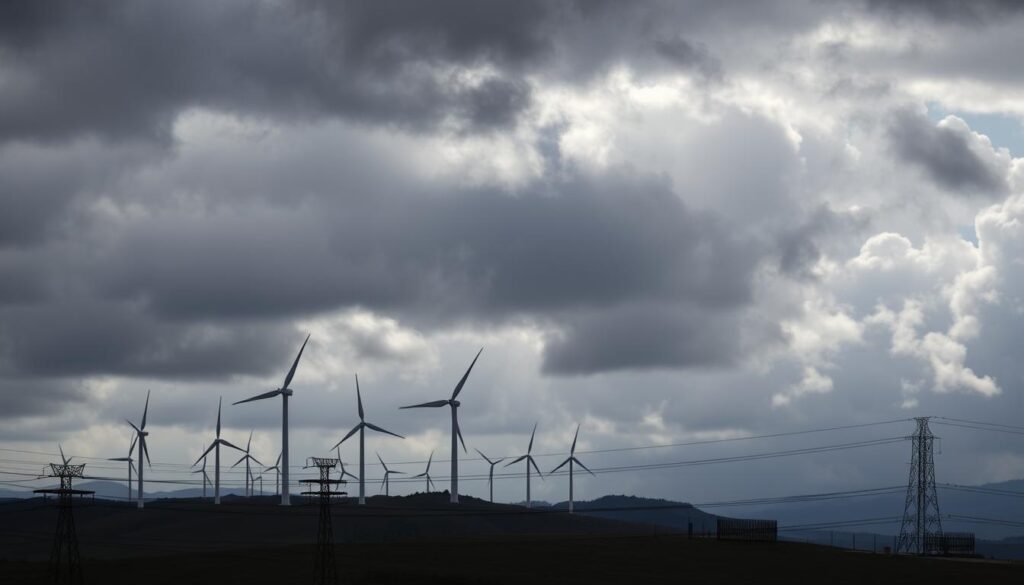
Technological advancements and teamwork are essential in beating wind energy’s challenges. By innovating and using sustainable practices, the sector can grow. It can do so while keeping its environmental impact low.
The Future of Wind Energy Technology
The wind energy sector is set for big growth thanks to new turbine designs and tech. As we need more clean energy, better and more reliable wind turbines are key.
Direct-drive turbines are a big step forward. They don’t use gearboxes like old turbines do. This makes them simpler, more efficient, and less prone to mechanical failures.
Experts say direct-drive turbines are a major leap in wind tech. They offer better performance and lower upkeep costs. This move is part of a trend towards smarter, more efficient turbines.
There’s also a push in turbine design to make turbines bigger and better. New materials are making turbines stronger and lighter. This means they can catch more wind energy.
The future of wind energy also means working with other green tech. As our energy grid gets more complex, we need smart ways to manage energy. Wind energy will play a big part in this, providing clean power that fits our changing needs.
In short, the future of wind energy looks bright. With ongoing innovation, we’ll see more efficient, reliable, and affordable wind energy. This is vital for reaching global green energy goals and cutting down on fossil fuels.
Policies and Incentives for Wind Energy
Policies and incentives are key to growing wind energy in the U.S. They help make it more popular across the country. The U.S. government has set up different ways to support this clean energy source.
The U.S. Department of Energy is funding projects for offshore wind in U.S. waters. This is important for building the needed infrastructure to use wind energy better.
Also, regulatory frameworks are very important. They help make a good place for investing in wind energy projects.
Tax credits and grants are also big helpers. They make wind farms more affordable for investors. This is because starting a wind energy project can be very expensive.
All these policies and incentives have helped wind energy grow in the U.S. As we need more clean energy, these efforts will keep being important. They will help shape the future of wind energy in America.
Conclusion: The Future of Wind Energy in America
Wind turbines use the wind, a clean and free energy source, to make electricity. As America shifts towards cleaner energy, wind energy’s role will grow a lot.
The outlook for wind energy in America is bright. New tech, good policies, and more demand for green energy are driving it. The U.S. has lots of wind, making it a key player in clean energy. This helps cut down on fossil fuels and fights climate change.
To keep moving forward, investing in wind energy is key. This includes building more wind farms, researching new tech, and developing better turbines. By choosing wind energy, America can grow its economy and protect the environment.