
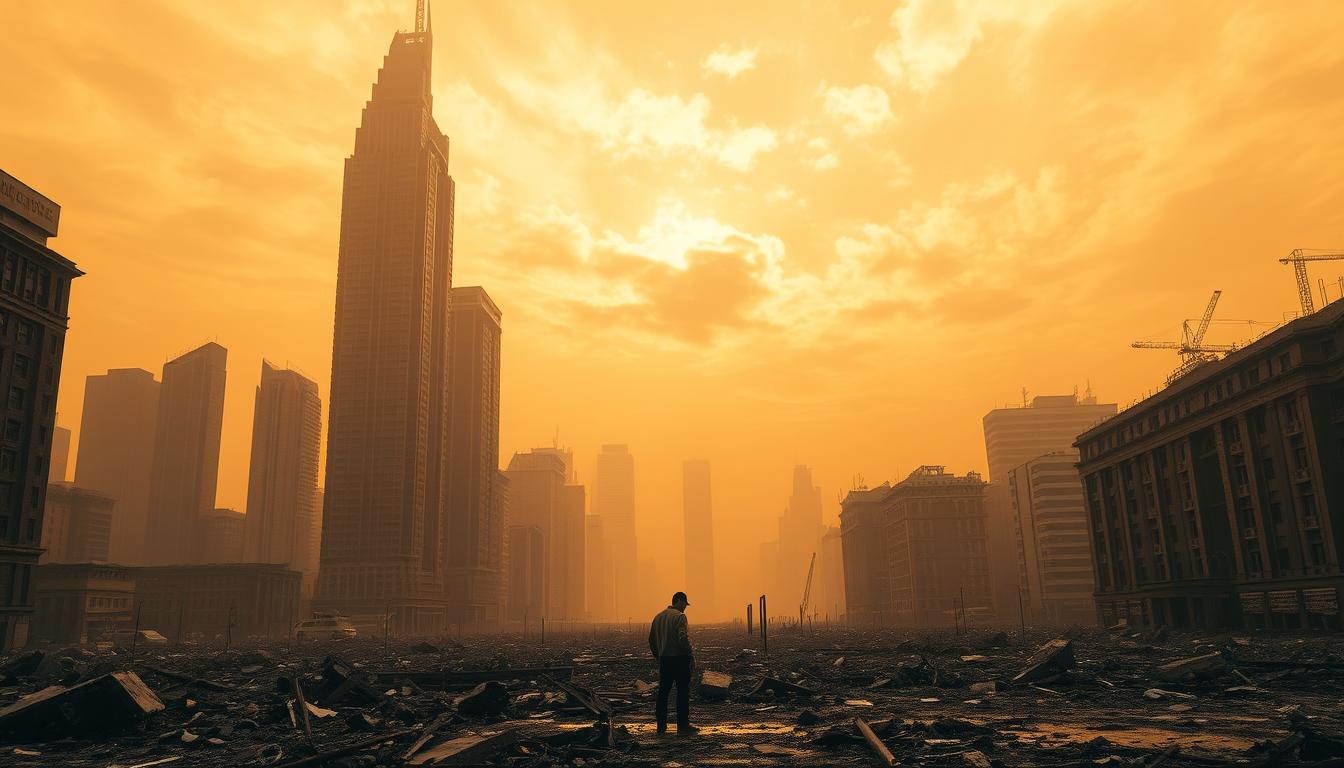
It’s vital to understand climate change because it touches almost every part of our lives. It affects what we eat, what we wear, and even where we go on holiday. The impact is huge.
The effects of global warming are deep and wide, affecting our health, jobs, and future. As we face these changes, knowing how climate impact affects us is key. It helps us prepare and lessen its effects.
By recognizing climate’s role in our world, we can tackle the challenges it brings. This way, we can make a difference and improve our lives.
Understanding Climate: Definition and Importance
Grasping climate is key to understanding its role in our lives and the planet. Climate is the long-term weather pattern in a specific area. It’s shaped by things like where you are, mountains, and water bodies.
Climate is often mixed up with weather, but they’re different. Weather talks about daily changes in the air. Climate, on the other hand, looks at the average conditions over a long time.
Climate vs. Weather
The difference between climate and weather is clear. A famous climatologist once said,
“Climate is what you expect, weather is what you get.”
This shows the gap between long-term expectations (climate) and short-term conditions (weather).
Knowing about climate is very important. It helps us predict environmental changes, plan farming, and manage water. Understanding climate is essential for dealing with its negative sides and using its good points.
Many things affect climate, like where you are on Earth, how high you are, and if you’re near big water bodies. These factors lead to different climate zones worldwide. Each zone has its own special traits and problems.
The Components of Climate
The Earth’s climate is made up of several key parts. One of the most important is greenhouse gases. They help control Earth’s temperature.
Greenhouse gases let sunlight in but keep heat from escaping. The main ones are carbon dioxide, methane, ozone, water vapor, nitrous oxides, and fluorinated gases. They keep our planet warm enough to live on.
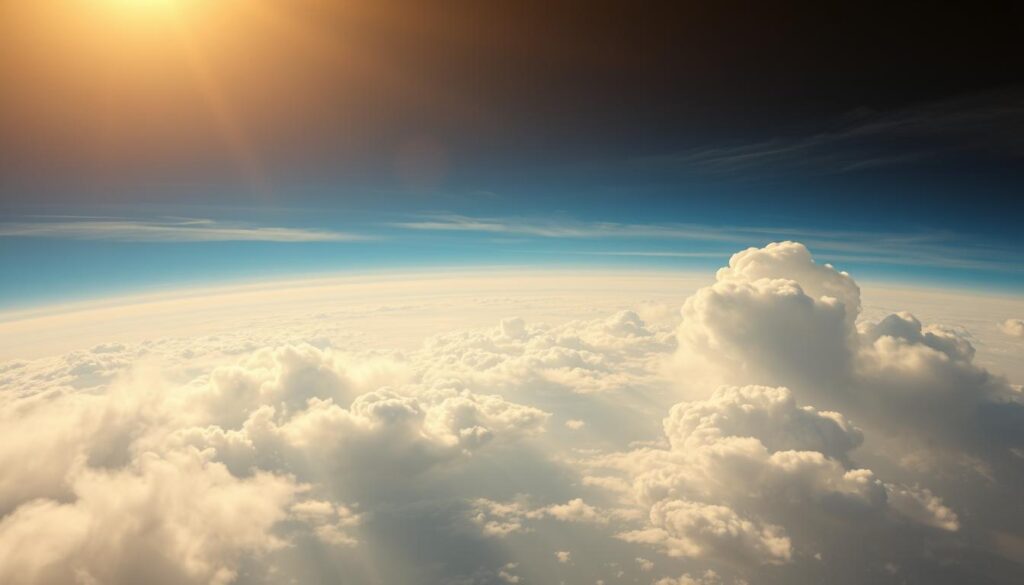
Human actions like burning fossil fuels and cutting down trees have raised greenhouse gases levels. This makes the Earth warmer and causes climate change.
Our activities, not natural changes, are mainly to blame for more greenhouse gases. For example, using coal, oil, and gas for energy adds a lot of carbon dioxide to the air. Farming and waste also release methane and nitrous oxide.
Knowing about greenhouse gases is key to fighting global warming. By cutting down on emissions and using cleaner energy, we can protect our climate. This helps prevent the worst effects of climate change.
Climate Zones Around the World
The Earth’s climate is divided into different zones. These are shaped by factors like latitude, altitude, and how close they are to water. Knowing these zones helps us understand the varied conditions around the world.
Many geographical factors affect climate. For example, places near the equator have a tropical climate. Areas at higher latitudes are colder.
Each climate zone has its own unique features. For instance, desert climates are very dry. On the other hand, tropical climates are warm and humid. It’s important to know these differences to appreciate the complexity of global climate.
Parts of the world show different climate zones. The Mediterranean climate has mild, wet winters and hot, dry summers. It’s found in places like Southern California and parts of Europe. In contrast, the polar climate zones are cold and icy, covering areas like Alaska and Antarctica.
Understanding climate zones is key to predicting weather. This is important for farming, city planning, and protecting the environment. By knowing the different climate zones, we can better face and deal with climate-related issues.
The Impact of Climate on Ecosystems
The impact of climate on ecosystems is complex. It affects the environment and the living things that depend on it. Climate change changes ecosystems in many ways, like shifting where species live and upsetting the balance of nature.
Climate change affects ecosystems differently. Some places, like the Arctic, are warming faster than others. This change harms the homes of polar bears, seals, and other Arctic animals, putting their survival at risk.
Consequences for Ecosystems
The effects of climate change on ecosystems are huge. Changes in weather can make species move to new places. This changes the mix of life in an area, affecting things like pollination and pest control. These services are key for our health and well-being.
A study found that losing biodiversity because of climate change can harm ecosystems. It can make them less strong and even collapse.
“Ecosystems are not just collections of species; they are complex systems where every component interacts with others. Climate change disrupts these interactions, often with unforeseen consequences.”
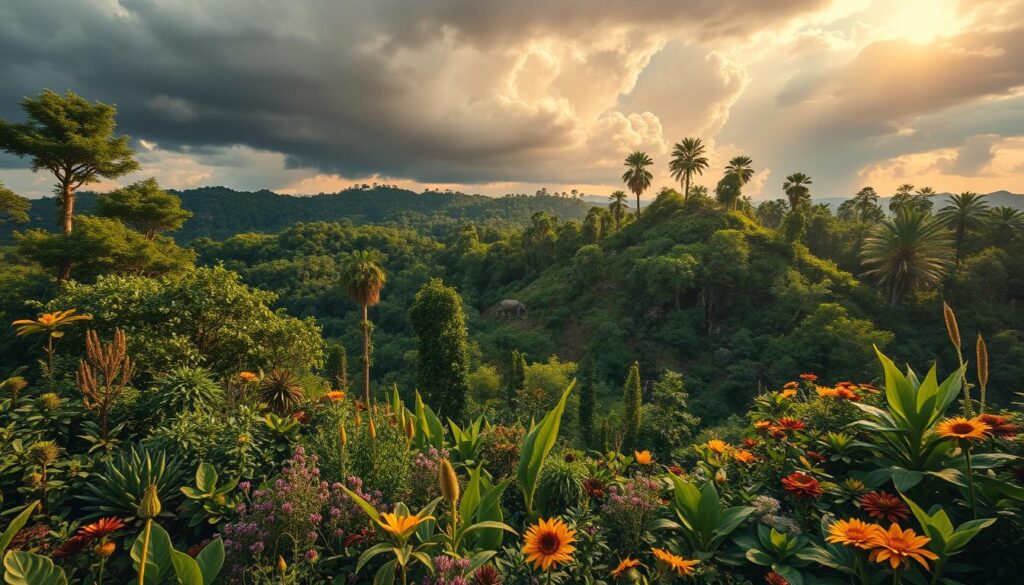
Climate change also means losing important ecosystem services. For example, warmer waters can cause coral reefs to bleach. This hurts the fish that people rely on for food. Changes in rain can also spread diseases, affecting human health.
In short, the effect of climate on ecosystems is urgent. We must understand these impacts to find ways to protect our planet’s biodiversity.
Climate and Human Health
Climate change affects human health worldwide. Rising temperatures and more extreme weather events change our environment. This impacts our health in many ways.
Health Risks Associated with Climate Change
Climate change causes health problems like heat illnesses and disease spread. Warmer weather increases heat stress, mainly for the elderly, kids, and those with health issues.
It also helps diseases like malaria and Lyme disease spread. Extreme weather can cause physical harm and mental health issues like anxiety and depression.
Vulnerable Populations and Climate-Resilient Health Systems
Low-income groups, indigenous peoples, and those with poor healthcare are hit hard. We need health systems that can handle climate change.
This means better disease tracking, healthcare, and public health actions. By acting now, we can protect communities’ health worldwide.
The Economic Consequences of Climate Change
Climate change has big effects on the economy, hitting industries and communities all over the world. As the Earth gets warmer, we see more damage in areas like farming, buildings, and health.
Climate change messes with our health, food, homes, safety, and jobs. Some groups, like those in small island nations and developing countries, face even more risks. For example, warmer weather can cause crop failures and reduced yields, hurting food supplies and the economy.
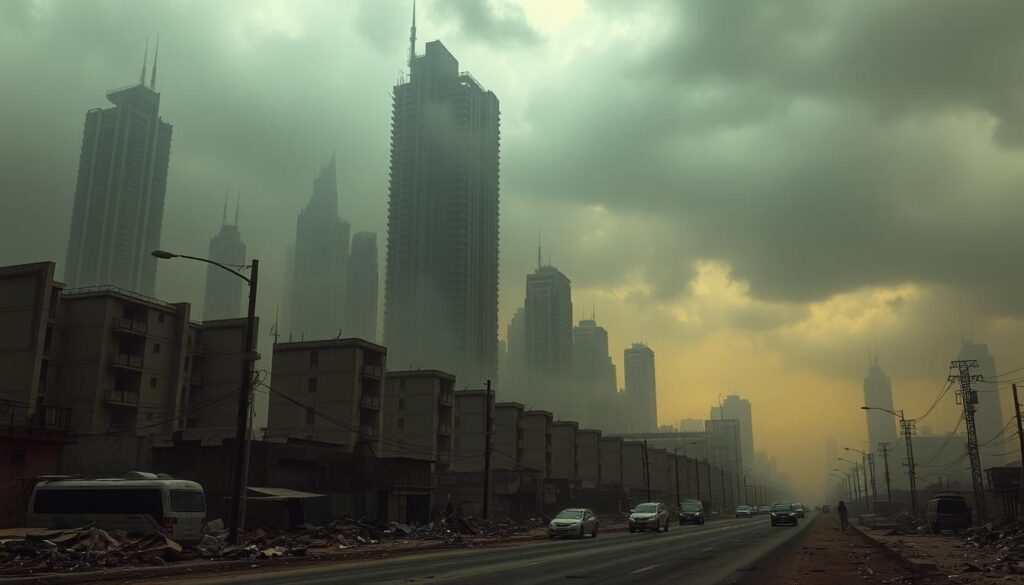
The economic losses from climate change are huge. Extreme weather like hurricanes and floods can destroy buildings and roads. Also, health problems from climate change, like diseases and heat sickness, cost a lot of money.
“The economic damage caused by climate change is already being felt, and it’s clear that the costs will continue to rise unless we take bold action to reduce greenhouse gas emissions and adapt to the changing climate.”
It’s key to invest in climate-resilient infrastructure and make communities less vulnerable to climate change. We need to create early warning systems for bad weather and use farming methods that help food grow better.
By understanding climate change impacts and acting early, we can lessen the economic consequences. It’s vital for governments, companies, and people to join forces to tackle this worldwide issue.
Climate Change: Causes and Solutions
Climate change is real, and we must know its causes and solutions. It’s mainly caused by more greenhouse gas emissions. These come from burning fossil fuels, cutting down trees, and industrial activities.
The United Nations says, “Climate change is a global challenge that needs global solutions.”
“The science is clear: we must reduce greenhouse gas emissions to limit global warming to 1.5°C above pre-industrial levels to avoid the most catastrophic consequences of climate change.”
There are many climate change solutions that can also help our economy. Switching to renewable energy, using energy more efficiently, and using land wisely are key. The Paris Agreement and the Sustainable Development Goals also help in cutting emissions and adapting to climate change.
Adapting to Climate Change
Adapting to climate change means finding ways to lessen its effects. This includes making buildings and infrastructure more resilient, improving weather alerts, and growing crops that can handle climate change. Communities worldwide are taking steps, like building sea walls and growing drought-resistant crops.
“Adapting to climate change is not just about survival; it’s about creating a more resilient and sustainable future for all,” as emphasized by climate experts. By understanding the causes of climate change and working together, we can lessen its worst effects and build a better world.
Climate Policy in the United States
Climate policy in the US is complex and affects both national and global efforts to fight climate change. As a big economy and a major emitter, the US’s policies have big impacts.
The US plays a big role in global climate talks. Its policies help both at home and abroad to cut down on greenhouse gases. The six biggest emitters, including the US, were responsible for over half of global emissions in 2023.
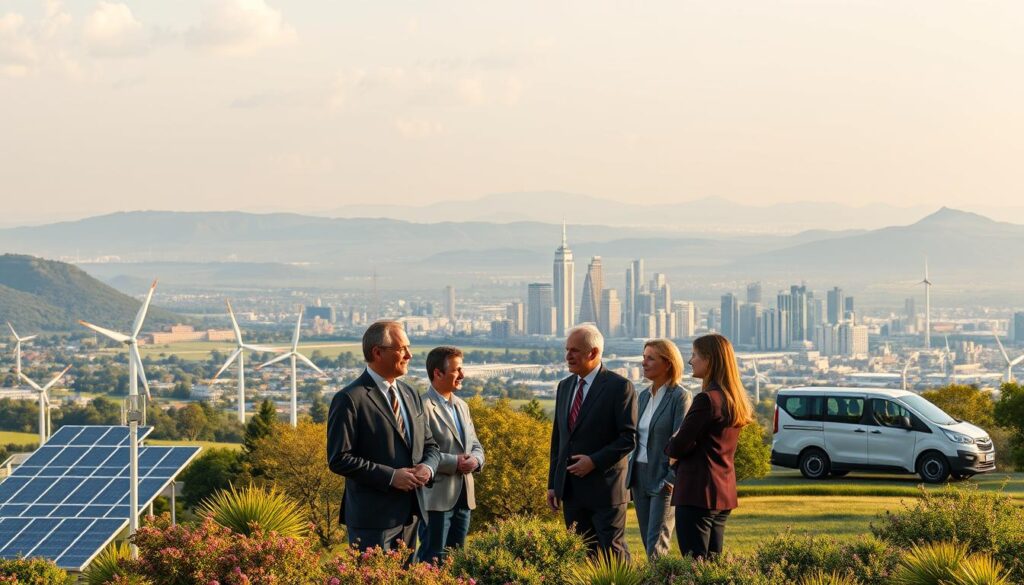
Current Climate Policies in the US mix federal and state efforts. Federal actions like the Clean Power Plan and joining the Paris Agreement show a commitment to cut emissions. States also have their own plans, like cap-and-trade programs, to fight climate change.
These policies help a lot in cutting down greenhouse gases. They push for more renewable energy, better energy use, and stricter emissions rules. This can help a lot in fighting climate change. Plus, good climate laws can lead to new jobs and innovation in clean energy.
Climate legislation is key for lasting climate action. It sets clear goals and rules for a national fight against climate change. This helps cut emissions and adapt to climate change’s effects.
In short, US climate policy is very important for tackling global climate change. With actions at both federal and state levels, the US can keep working to reduce emissions and support a greener future.
Everyday Actions to Combat Climate Change
The fight against climate change starts at home. Simple actions can make a big difference. Those who use more resources should act first.
Reducing energy use is a key individual action. Use energy-saving appliances and turn off lights and devices when not needed. Insulating homes also helps lower heating and cooling needs.
Living a sustainable lifestyle is vital. Choose public transport, carpool, or drive electric or hybrid cars. Eating less meat and buying local products also helps reduce carbon footprint.
Using renewable energy is a big personal action. You can get solar panels or support clean energy with renewable energy credits.
Reducing, reusing, and recycling waste is also important. Cut down on single-use plastics, compost, and recycle. This lowers landfill waste and emissions.
Every individual action adds up. Together, we can make a big difference. By making smart choices daily, we can fight climate change and create a better future.
The Future of Our Climate
The Earth’s surface temperature has gone up by 1.2°C from the late 1800s. This makes it warmer than in the last 100,000 years. Climate projections show this trend will keep going, leading to severe climate change impacts.
Our actions today will shape the future climate. We can expect more frequent and intense weather events, sea-level rise, and changes in ecosystems. It’s key to understand these projections to fight climate change.
Climate change will affect human health, the economy, and the environment. We must keep researching and monitoring to find effective solutions. By acting now, we can make our future more sustainable and lessen climate change’s effects.
We need everyone’s help to tackle climate change’s challenges. Knowing about the future climate and its impacts helps us create strategies. This way, we can build a more resilient world.