
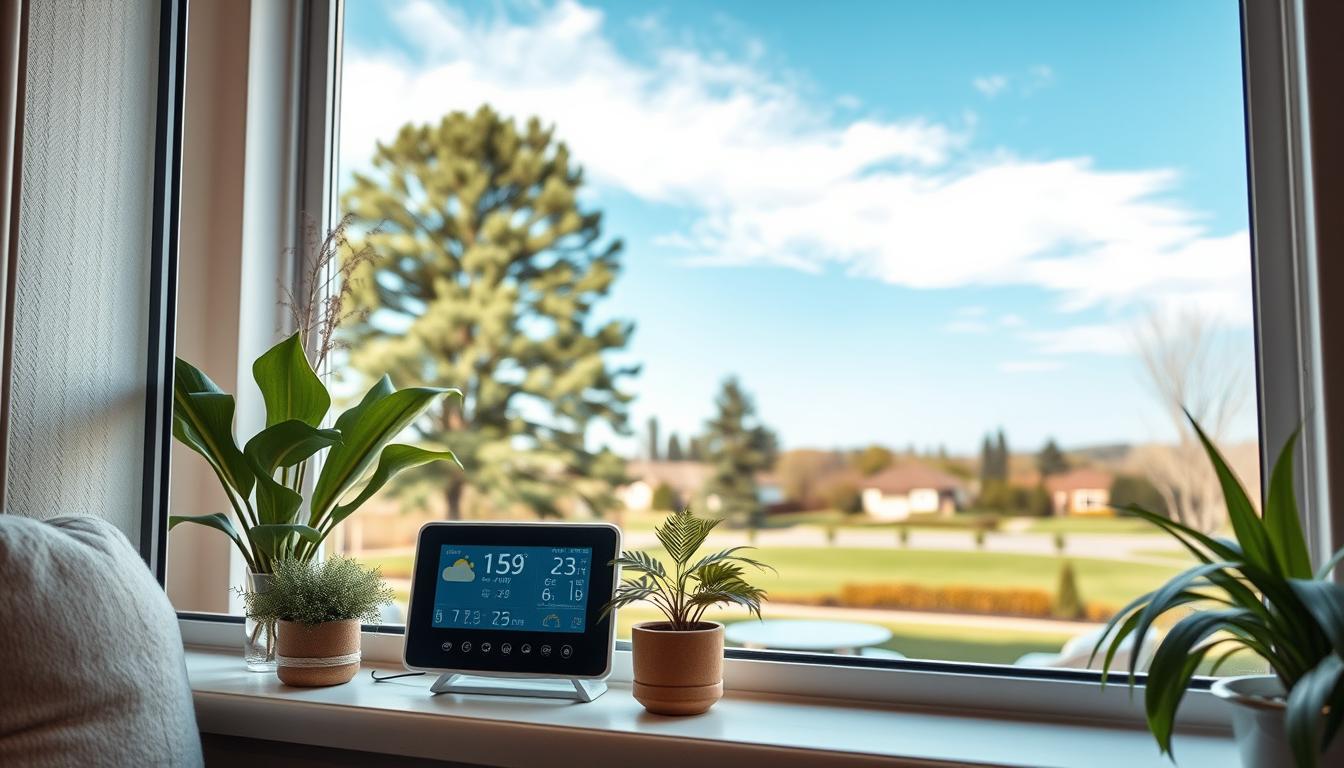
Having a home weather station is super helpful for keeping up with local weather conditions. The Weather Channel says it gives you real-time info on temperature, humidity, and more. This means you can make accurate weather monitoring decisions.
This info helps you plan your day better. Whether it’s for outdoor events or just picking out clothes, it’s very useful. You can make smarter choices by watching the weather closely.
With current weather updates and forecasts, you can get ready for weather events ahead. A home weather station is a great tool for weather forecasting in your own home.
Understanding Weather Stations and Their Importance
Knowing how a weather station works is key for good weather forecasts. A weather station tracks and logs weather conditions. It gives important data for forecasting and other uses.
Weather stations have different sensors to check various weather factors. The Weather Channel says these include temperature and humidity sensors. These are critical for precise weather tracking.
Components of a Weather Station
A standard weather station has several important parts. Temperature sensors measure the air temperature. Humidity sensors track the air’s moisture.
Other parts might be anemometers for wind speed and direction, barometers for air pressure, and rain gauges for rain.
“The accuracy of the weather data depends on the quality of the sensors used in the weather station.”
So, picking a weather station with top-notch sensors is vital. This ensures you get accurate and trustworthy data.
In summary, understanding a weather station’s parts is essential. It helps you pick the right one and understand its data. By knowing what to look for, you can make smart choices when picking a weather station.
Types of Weather Stations
The world of weather monitoring is full of variety. There are many types of weather stations for different needs. Whether you’re a homeowner or a professional meteorologist, there’s a station for you.
Weather stations are mainly divided into personal and professional types. Personal weather stations are great for home use. They give you real-time data on temperature, humidity, wind speed, and more. They are small, easy to use, and can connect to smartphones or computers.
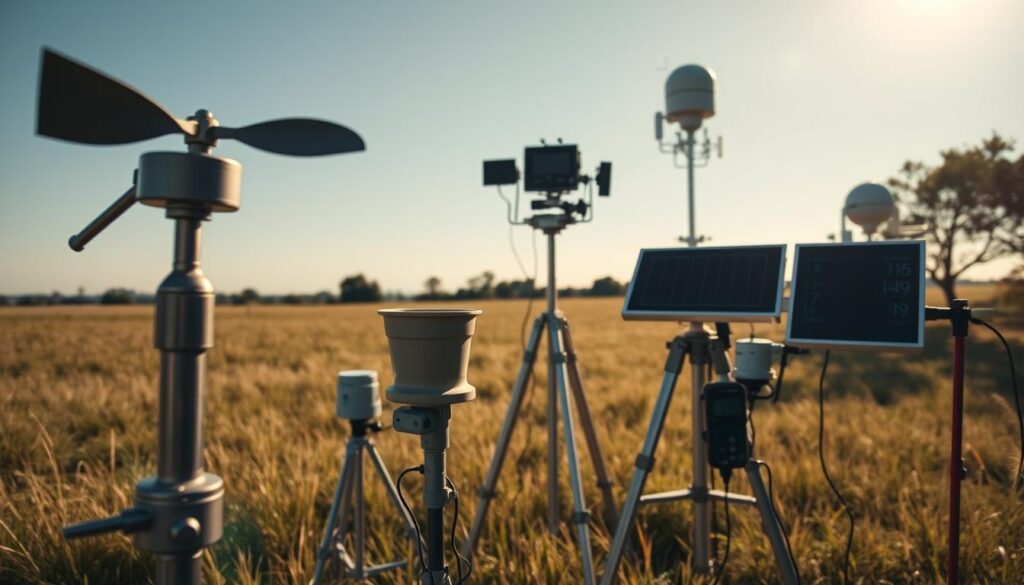
Professional weather stations are for advanced weather monitoring. They are used by meteorological agencies, research places, and serious weather fans. These stations are more complex, with more sensors and can send data far away.
Key Differences
The big difference between personal and professional stations is their accuracy and durability. Professional stations can handle tough weather and give precise data for a long time.
When picking a weather station, think about what you need. For casual weather monitoring at home, a personal station might be enough. But for detailed analysis or work, you need a more advanced one.
In short, knowing about the types of weather stations helps you choose the right one. Think about your needs and what each station offers. This way, you can pick the best station for tracking local weather.
Key Features to Look for in a Home Weather Station
Choosing the right home weather station can seem hard. But, focusing on key features makes it easier. It’s important to think about several factors that affect its performance and your happiness.
Accuracy is very important. The Weather Channel stresses the need for accurate weather forecasts. This is true for home weather stations too. Look for a station that gives you precise temperature, humidity, wind speed, and more.
Hyperlocal Weather Forecasting
Hyperlocal weather forecasting means a station can give detailed forecasts for your exact area. This is great for knowing about weather changes in your area that might not show up in bigger forecasts.
A home weather station with this feature can give you insights into localized weather patterns. This helps you plan your day better. For example, if you live where rain or fog comes up fast, you’ll get warnings in time.
Other important features include connectivity options and user interface. A station that connects to your phone or computer via Wi-Fi or Bluetooth is easy to use. A simple interface makes it easy to understand the data.
By looking at these features, you can find a home weather station that meets your needs. It will help you understand local weather better. Whether you love weather or just want to stay informed, the right station makes a big difference.
Setting Up Your Home Weather Station
To get accurate weather data, it’s important to install and calibrate your home weather station right. The Weather Channel says correct installation is key for reliable data. Here’s a step-by-step guide to help you.
First, pick a spot for your weather station that’s open and not blocked by buildings or trees. It should be at a height recommended by the maker, usually 3 to 5 feet off the ground.
Calibration is a must to get accurate readings. Start by comparing your station’s data with a nearby weather service or a calibrated device. Adjust the settings as needed to match the reference data. It’s good to check calibration often to keep accuracy.
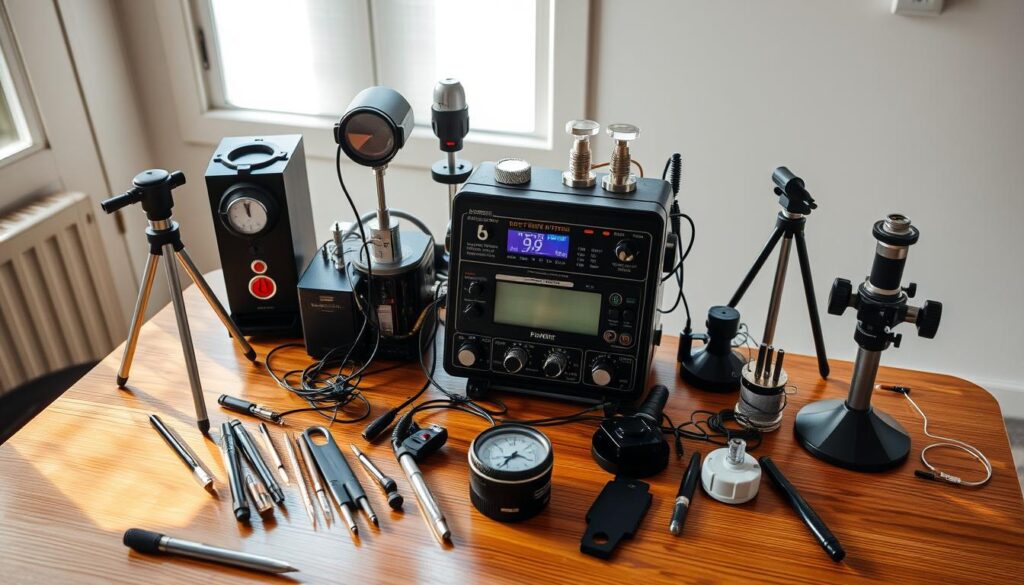
Avoid common mistakes like placing the station near heat sources or direct sunlight without shade. Make sure it’s level and securely fastened to avoid damage from wind or weather.
By following these steps and tips, your home weather station will be set up right. This will give you reliable data on temperature, humidity, wind speed, and more. Proper installation and regular maintenance are key to getting the most out of your weather station.
Understanding Weather Data
Unlocking the secrets of weather forecasting starts with understanding your home weather station’s data. This data is key for making smart decisions about your day. It helps you plan your commute and know when to water your garden.
Your weather station gives you lots of info, like temperature, humidity, wind speed, and more. Knowing these elements helps you understand weather patterns. For example, a sudden drop in temperature might mean a cold front is coming.
Weather patterns come from different atmospheric conditions. By looking at your weather station’s data, you can spot these patterns. For instance, high humidity and rising temperatures might mean a storm is on its way.
The Weather Channel says understanding weather patterns means watching trends in your data. This way, you can predict weather changes and plan ahead. This is super helpful for outdoor activities and planning your farm.
By watching your weather station’s data closely, you can learn about local weather patterns and make better predictions. This improves your weather understanding and helps you make smarter daily choices.
Integrating Weather Stations with Smart Home Devices
Weather stations now work with smart home devices, changing how we deal with weather. The Weather Channel says this mix makes homes more automated and ready to respond to weather changes.
Today’s weather stations fit with many smart home systems, making seamless integration and control easy. This lets homeowners check the weather from anywhere and get alerts for big weather changes.
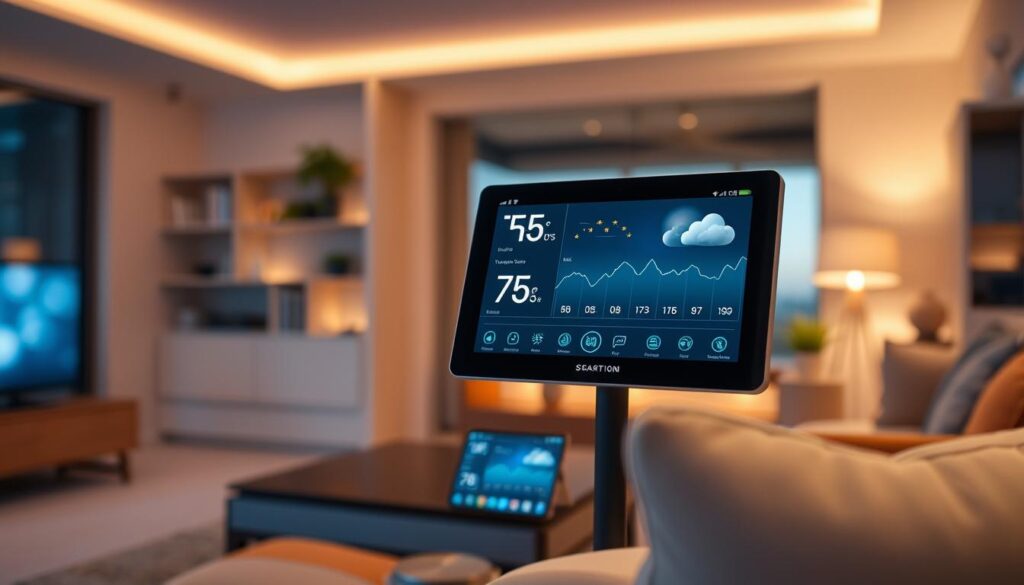
Using voice control is a big plus of combining weather stations with smart homes. With Amazon Alexa or Google Assistant, you can ask about the weather, forecasts, and control other smart devices with weather info.
For example, a weather station linked to a smart irrigation system can adjust watering schedules based on forecasts. This keeps your garden watered right, saving water and time.
This integration also makes your home experience more personal. You can set up alerts for specific weather conditions, keeping you updated always.
“The future of smart homes lies in their ability to integrate various devices and systems, making life more convenient and efficient.”
In summary, linking weather stations with smart home devices, including voice control, is a big step forward. It boosts weather monitoring and makes homes more efficient and responsive.
Maintenance Tips for Your Weather Station
Accurate weather forecasting relies on keeping your weather station in top shape. Regular weather station maintenance is key to getting reliable data.
Cleaning is a major part of maintaining your weather station. Dust, debris, and other factors can mess up your readings. Make sure to clean the sensors and other parts regularly to avoid any issues.
Calibration is also very important. Over time, your weather station’s sensors might not work right. Check your manual for how to calibrate and do it when needed.
Don’t forget to update your weather station’s software. Updates can make your station work better and fix problems. Always look for updates and follow the instructions to install them.
By sticking to these maintenance tips, your weather station will keep giving you accurate data. This helps you understand local weather better and make smarter choices.
Troubleshooting Common Issues
Weather stations can face problems even with good care. Knowing how to spot and fix these issues is key. It keeps your weather station accurate and reliable.
Troubleshooting Steps
Start by checking the basics if your weather station has a problem. Make sure it’s powered right and all cables are tight. Also, check that sensors are clean and free from blockages. Dirt can mess up readings.
The Weather Channel says a big issue is wrong placement. This can cause wrong temperature readings. Place your station in a good spot, away from sunlight and other interference.
Wireless weather stations often have connectivity problems. Make sure your Wi-Fi is working and your station’s software is current. If you’re stuck, look at the manual or reach out to support.
Regular upkeep helps avoid many issues. Clean sensors, update firmware, and calibrate your station. This keeps it running smoothly.
By following these steps and keeping up with maintenance, you can fix most problems. This ensures your weather station keeps giving you accurate data.
DIY Weather Station Projects
Thanks to new tech, DIY weather station kits make it easy to create your own weather station. These kits come with all you need, like sensors and a main console. They might even include a wind vane or rain gauge.
Building a DIY weather station is both fun and educational. It lets you add your own special touches. The Weather Channel says more people are getting into these projects, thanks to hobbyists and tech fans.
DIY Weather Station Kits
When picking a DIY weather station kit, think about what it includes and how hard it is to put together. Some kits are perfect for beginners. Others are more challenging, needing you to know a bit about electronics.
“The best DIY weather station kits are those that balance ease of assembly with the quality of the data they provide.”
After you’ve built your weather station, you can track the weather in your area. It’s great for gardening, flying, or just to learn more about the weather.
In short, building a DIY weather station is a great project. It’s a mix of learning and doing something useful. Whether you’re experienced with electronics or just starting, there’s a DIY weather station kit for you.
The Future of Home Weather Stations
Home weather stations are getting better fast, thanks to new weather technology. The Weather Channel says we’ll see more accurate readings, better connections, and smarter data analysis soon.
Emerging Trends
Artificial intelligence and machine learning will make forecasts even better. Also, Internet of Things (IoT) tech will link weather stations with other smart devices. This will make our homes more connected and smart.
As tech keeps improving, home weather stations will get more advanced and easy to use. This means we can plan our days better and save energy at home.