
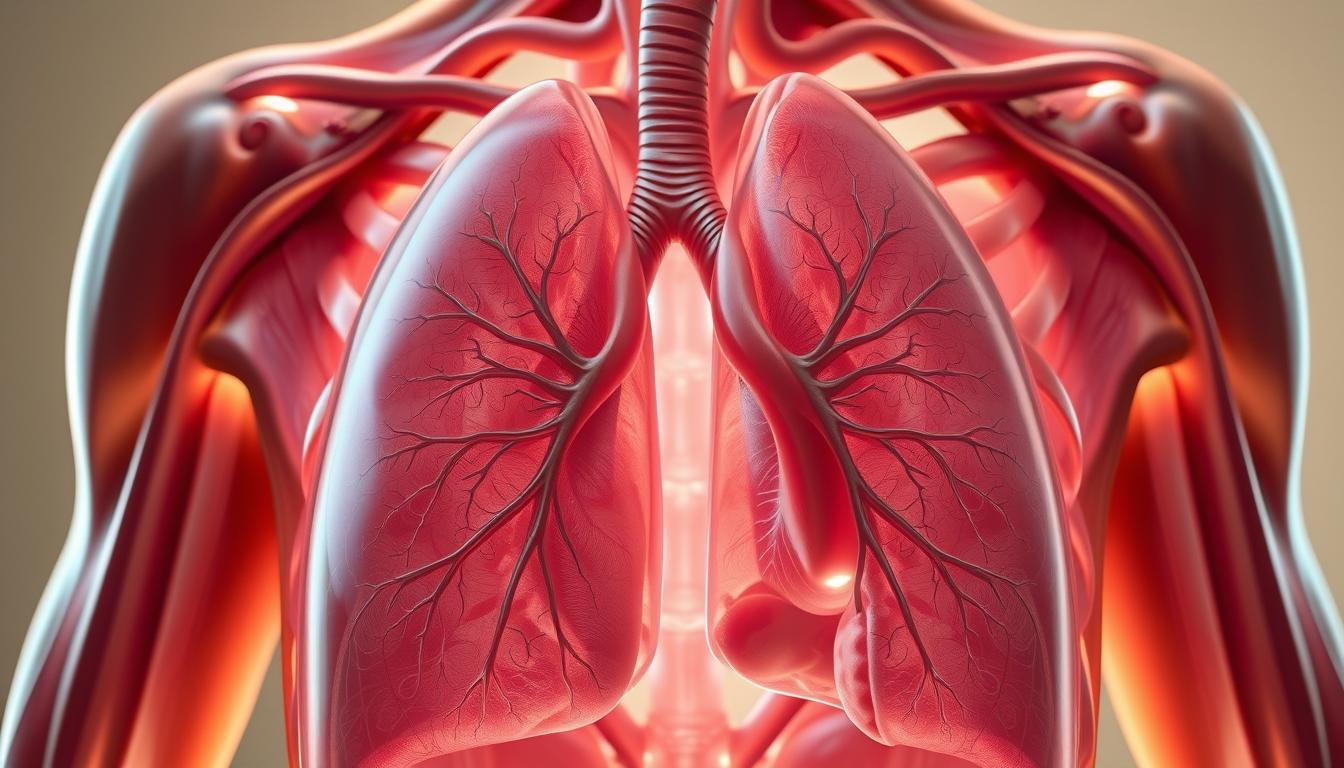
The human body is a complex system. Every organ and cell needs oxygen to work right. The respiratory system, a group of organs and tissues, helps us breathe.
The lungs are at the center of this system. They are key in exchanging oxygen and carbon dioxide through breathing. This is vital for the body’s functions, as oxygen keeps cells and organs alive.
In short, the lungs keep oxygen levels balanced in our bodies. They are essential for our health. Knowing how they work helps us understand the importance of a healthy respiratory system.
What Are Lungs and Their Primary Functions?
The lungs are vital organs that play a key role in our respiratory system. They help exchange gases between the air we breathe and our bloodstream. This is key for delivering oxygen to our body’s tissues and removing carbon dioxide.
The primary function of the lungs is to exchange oxygen and carbon dioxide through breathing. The diaphragm, our main breathing muscle, expands and contracts the chest. This lets air move in and out of the lungs.
The lungs have a complex structure with airways, alveoli, and blood vessels. These work together for efficient gas exchange. The respiratory system, including the lungs, airways, and breathing muscles, keeps oxygen and carbon dioxide balanced in our body.
Knowing how lungs function and their role in the respiratory system highlights the importance of healthy lungs. It shows why maintaining good lung function is essential.
How Lungs Work in the Breathing Process
The lungs are key in the breathing process. They help swap oxygen and carbon dioxide. When the diaphragm contracts, air moves into the airway through the nose or mouth.
Air then splits into the right or left lung via the bronchi. It goes further into bronchioles and reaches the alveoli for gas exchange.
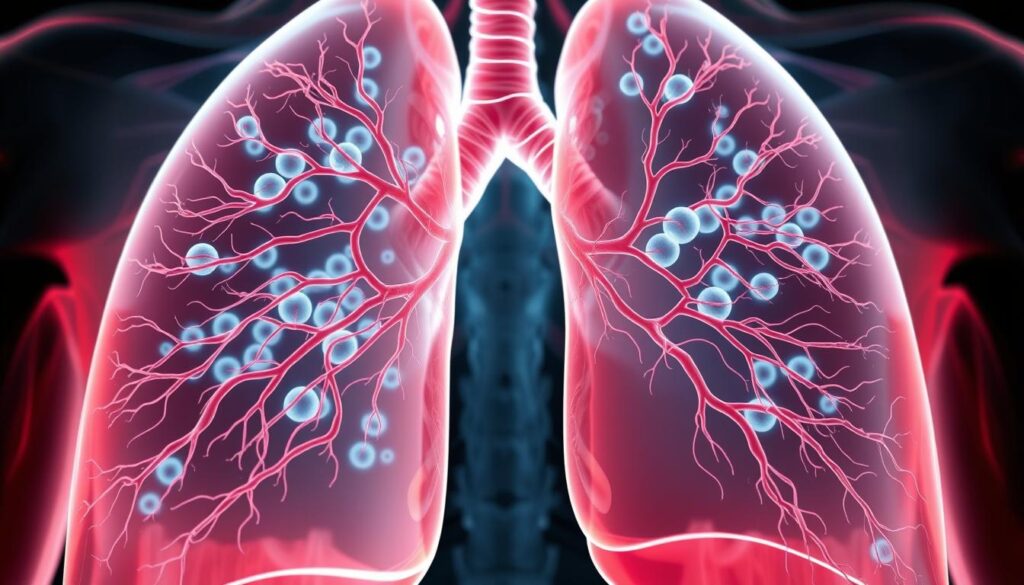
Inhaling happens when the diaphragm contracts. This makes the chest cavity bigger, pulling air into the lungs. Exhaling is when the diaphragm relaxes, making the chest cavity smaller and pushing air out.
This complex process is vital for lung function. It lets the body get oxygen for cells and get rid of carbon dioxide, a waste.
Knowing how lungs work in the breathing process shows why we need to take care of them. We should avoid harmful substances to keep our lungs healthy.
Importance of Oxygen Exchange
The process of oxygen exchange is vital for human survival. It’s how oxygen gets into our blood and carbon dioxide gets out. This gas exchange happens in the lungs, between air sacs (alveoli) and capillaries.
When we breathe in, oxygen moves from capillaries into air sacs. At the same time, carbon dioxide, a waste product, moves from capillaries into lungs to be exhaled. The lung function is key here, making this exchange possible. The thin walls of alveoli and capillaries help gases move efficiently.
Red blood cells are important in this process. They pick up oxygen as it enters capillaries. This oxygen-rich blood then goes to all parts of the body, helping with metabolic processes. On the other hand, carbon dioxide, made by these processes, is released into lungs and exhaled.
Keeping oxygen exchange efficient is vital for health. Any problem with this process, like lung disease, can cause serious health issues. So, it’s important to understand and keep lung function in good shape for our well-being.
Common Lung Diseases
Lung diseases are a big problem worldwide, affecting millions. They can harm lung function and overall health. It’s important to know their causes, symptoms, and effects.
Chronic Obstructive Pulmonary Disease (COPD) is a lung disease that gets worse over time. It’s caused by long-term exposure to harmful substances like cigarette smoke. Symptoms include shortness of breath, wheezing, and a chronic cough.
Asthma is a lung condition that affects the airways. It causes inflammation and constriction. Triggers can be different for everyone, like allergens or environmental factors. Symptoms include wheezing, coughing, and trouble breathing.
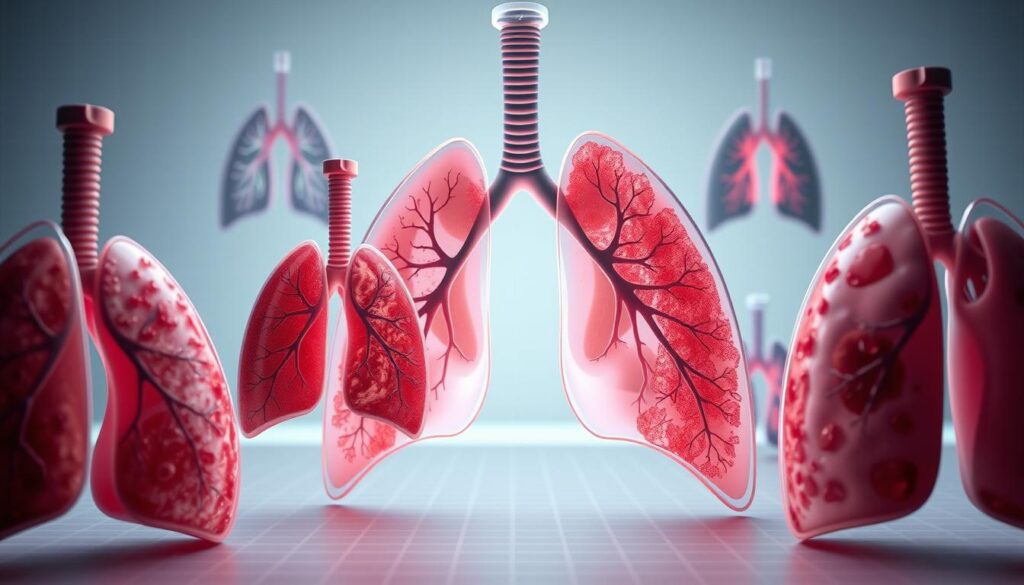
Lung Cancer is a major cause of cancer deaths. Risk factors include smoking, exposure to harmful substances, and genetics. Early detection is key, as symptoms often show up late, making treatment hard.
Knowing about these lung diseases is key to keeping your respiratory health good. By understanding causes and symptoms, you can prevent them and get help when needed.
How Lifestyle Affects Lung Health
Keeping your lungs healthy is key to feeling good. What you do every day matters a lot. A healthy lifestyle helps avoid lung problems and keeps your breathing smooth.
Being active is a big plus for your lungs. Physical activity boosts lung function and heart health. It makes your lungs better at getting oxygen and getting rid of carbon dioxide.
But, some choices can harm your lungs. Smoking is a big risk for lung diseases like COPD and lung cancer. Staying away from smoke, whether it’s your own or someone else’s, is very important.
Healthy habits like eating right and exercising also help your lungs. Eating lots of fruits, veggies, and whole grains gives your lungs what they need to stay healthy.
Choosing wisely in your daily life can really make a difference for your lungs. Focus on good habits and avoid bad stuff to keep your lungs working well and you feeling great.
Environmental Factors Influencing Lung Health
Environmental factors, like air quality, greatly affect our lungs. The air we breathe contains pollutants and particles that harm lung health.
Air Pollution and Lung Health: Bad air quality can harm our lungs, leading to breathing problems. Pollutants like PM, NO2, and O3 irritate lungs, worsen asthma, and cause COPD.

Air pollution is a big problem for lung health. Cities have more pollutants from cars, factories, and other human activities. Poor air quality is linked to more respiratory issues.
Mitigating the Effects: There are ways to fight the effects of bad air on lungs. Using air purifiers, staying away from polluted areas, and supporting clean air policies help. These actions improve lung health.
Knowing your area’s air quality index is key. On bad air days, limit outdoor time, mainly for those with lung issues. This reduces harmful pollutant exposure.
In summary, air quality is vital for lung health. By understanding and acting on this, we can protect our lungs and help the environment.
Preventive Measures for Healthy Lungs
To keep your lungs healthy, it’s key to adopt good habits and lifestyle changes. This approach can greatly improve your well-being and lower lung disease risks.
Dietary Recommendations are vital for lung health. Eating a balanced diet with fruits, vegetables, and whole grains is important. Foods like berries and leafy greens are great because they fight off lung damage.
Regular exercise is also essential. It boosts lung function and heart health. Walking, cycling, or swimming are good choices. Try to do at least 30 minutes of moderate exercise daily.
Stress Management is another key factor. Chronic stress weakens your immune system and raises respiratory risks. Meditation, yoga, or deep breathing can help manage stress.
Avoiding environmental pollutants and tobacco smoke is also critical. Using air purifiers, staying away from polluted areas, and quitting smoking protect your lungs.
Adding these healthy habits to your daily life can significantly improve lung health. Being proactive and making smart lifestyle choices can lead to better respiratory health and overall well-being.
Recognizing Symptoms of Lung Issues
Knowing the common symptoms of lung problems can help you get medical help quickly. Lung issues often show up with specific signs that shouldn’t be ignored. Spotting these signs early can greatly improve treatment results and patient health.
Common lung issue symptoms include shortness of breath, persistent coughing, and chest pain. Shortness of breath, or dyspnea, can happen even when you’re just resting. A persistent cough that lasts for weeks or months might mean you have a lung problem. Chest pain or discomfort that gets worse with deep breathing, coughing, or laughing is also a key symptom.
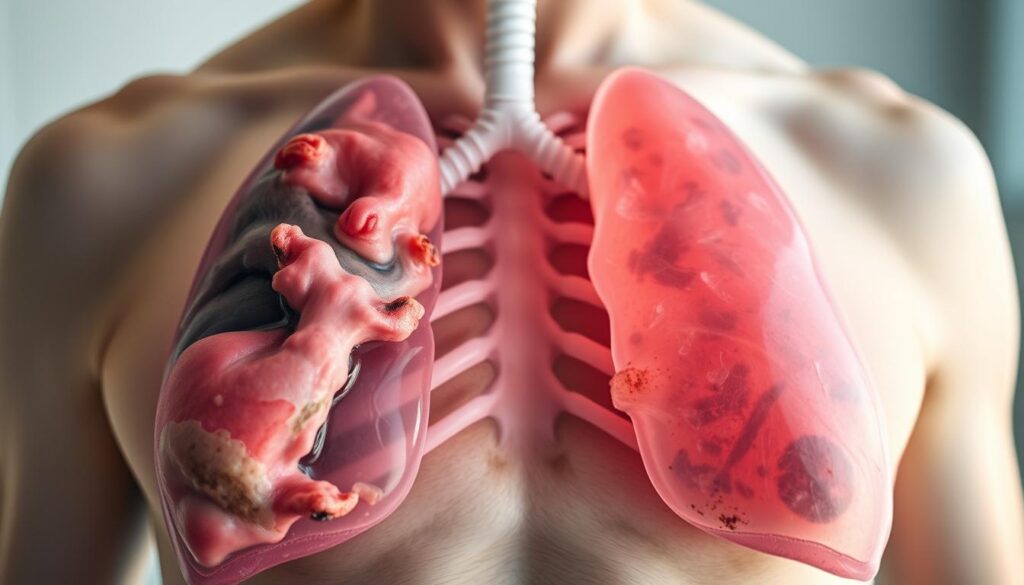
Other signs might include wheezing, coughing up blood, and frequent respiratory infections. Wheezing is a high-pitched sound made while breathing out, often showing airway blockage. If you notice any of these symptoms, seeing a healthcare professional for a proper diagnosis and treatment is essential.
Spotting lung issues early can greatly help in managing respiratory problems. By knowing the symptoms and getting medical help when needed, you can take steps to keep your lungs healthy.
The Role of Technology in Lung Health
Technology is key in boosting lung health with new diagnostic tools and treatments. It has greatly improved how we care for patients.
Technology has greatly helped in finding lung diseases early. High-resolution computed tomography (HRCT) scans give clear lung images. This helps spot lung cancer and pulmonary fibrosis early.
Artificial Intelligence (AI) and machine learning are now used to look at medical images. They help doctors find problems that are hard to see. This leads to better diagnoses and treatment plans for each patient.
New treatments for lung diseases have come from technology too. For example, targeted therapy and immunotherapy have changed lung cancer treatment. They offer patients better and less invasive options.
“The use of technology in healthcare is not just about improving existing processes; it’s about transforming the way we deliver care.” –
Wearable devices and mobile health apps also help patients. They let people track their lung health in real-time. This helps them make better health choices.
Technology’s role in lung health is wide-ranging, from finding diseases to treating them. As medical advancements keep growing, technology will likely play an even bigger part in helping lung disease patients.
Conclusion: Keeping Your Lungs Healthy
Healthy lungs are key to feeling good and living well. Lungs help us breathe by exchanging oxygen and removing carbon dioxide. Knowing about lung diseases and how to care for them is important.
Eating right and exercising can help your lungs stay healthy. Staying away from harmful pollutants and managing stress are also important. These steps can help prevent lung problems.
Simple habits like washing your hands, not smoking, and drinking water can help your lungs. Taking care of your lungs is a smart way to live a healthier life. By following these tips, you can keep your lungs healthy for a long time.