

Our scales are getting smarter just like other devices in our homes. This change has made tracking our health easier.
A smart scale does more than just show our weight. It also tracks body composition, giving us a full picture of our health.
This article will dive into how weight measurement and health monitoring work with these advanced scales. You’ll learn what to expect and how they can improve your health tracking.
What Is a Smart Scale?
Smart scales are a big step up in health monitoring tech. They give you a detailed look at your body composition. Unlike old scales, they don’t just show your weight. They also show body fat percentage, muscle mass, water percentage, and more.
A smart scale works by using bioelectrical impedance analysis (BIA). When you step on it, a tiny electrical current goes through your body. This lets the scale tell the difference between fat, muscle, and water. It gives you a deeper look into your health and fitness.
Health experts say knowing your body composition is key for setting good health and fitness goals. This shows how important it is to use a smart scale as part of your health plan. Smart scales give you a clear view of your body composition and other health metrics. They help you make smart choices about your diet, exercise, and wellness.
“The beauty of smart scales lies in their ability to track changes in body composition over time, giving a more complete view of health than weight alone.”
In short, a smart scale is more than just for weighing yourself. It’s a tool for understanding your health. By using it every day, you can track your progress, find areas to get better, and reach your health goals better.
How Smart Scales Work
Bioelectric impedance analysis is the main technology behind smart scales. It measures body fat and other health metrics. This happens when you step on the scale with bare feet.
The bioelectric impedance analysis (BIA) works by sending a small electrical current through your body. Muscle and water-rich tissues conduct electricity well. Fat and bone don’t. So, the scale can guess the body’s tissue mix by measuring resistance.
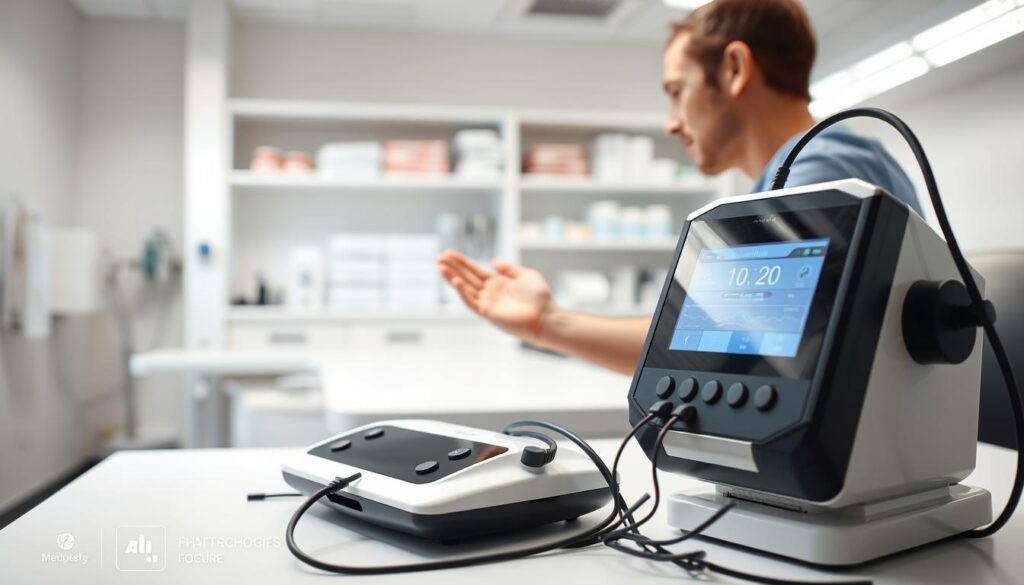
A body composition scale uses BIA to figure out your body fat. It looks at how well the electrical current flows. Then, it calculates body fat percentage, muscle mass, and sometimes bone density.
Many things can mess with the scale’s accuracy. Dehydration, metal objects, and the scale’s quality are examples. Being dehydrated can make your body fat look higher because it changes how electricity flows.
To get the best results, use your smart scale the same way every time. This means at the same time of day and when you’re as hydrated as possible. Knowing these tips helps you use your smart scale to its fullest, giving you important health insights.
Benefits of Using a Smart Scale
Using a smart scale can change how you monitor your health and manage your weight. It shows more than just your weight. It tracks body fat, muscle, and bone density too.
When you’re trying to lose weight, knowing your body fat is key. It shows how healthy you’re getting better than just your weight. For example, two people can weigh the same but have very different body types.
Smart scales give you deep insights into your body. They help you see how your diet and workouts are working. This way, you can make better choices for your health.
They also track other important health metrics. This helps you make smart choices for your fitness goals. It leads to a healthier and more lasting approach to weight management.
Adding a smart scale to your routine can be a big step. It motivates you by showing real progress. It also helps you set achievable goals based on detailed health data.
Features to Look For in a Smart Scale
Choosing the right smart scale is key. It depends on several important features. Think about what matters most to you and your health goals.
Accuracy is a top feature. A good smart scale uses bioelectric impedance analysis (BIA). The more body points it touches, the more accurate it is. Look for scales with many electrodes for a detailed body analysis.
Connectivity options are also critical. Many scales connect via Wi-Fi or Bluetooth. This lets you track your progress and share data with apps or doctors.
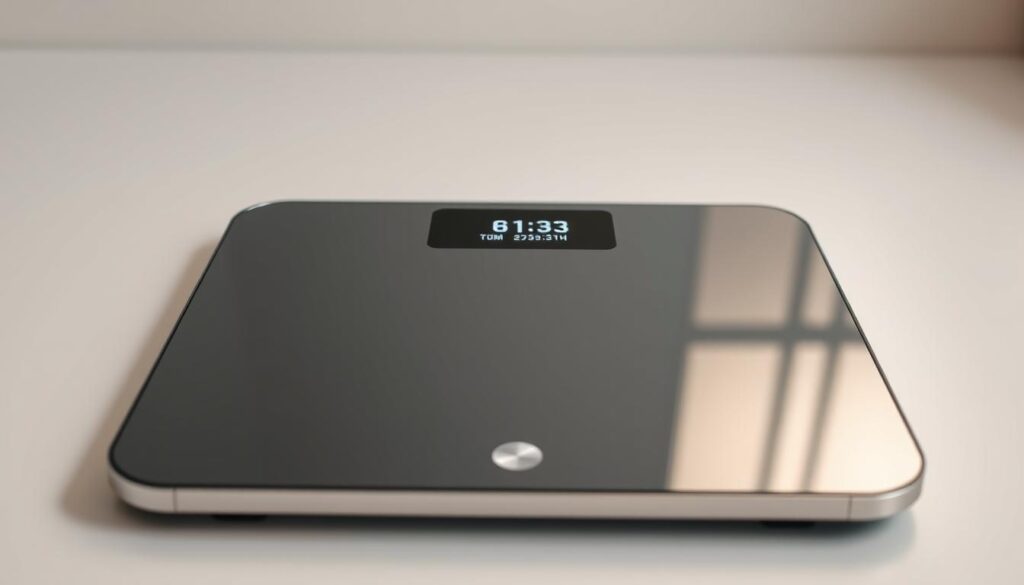
Don’t forget about additional features. Some scales track multiple users, great for families. Others link with fitness apps or offer workouts.
Also, think about the user interface and battery life. A clear interface helps you understand your data. A long battery life means less recharging hassle.
The perfect smart scale meets your specific needs. By focusing on these features, you’ll find a scale that helps you on your health journey.
Setting Up Your Smart Scale
Setting up your smart scale is the first step to getting accurate measurements. Start by reading the manual that came with your device. It has specific instructions for your model.
Place your smart scale on a flat, stable surface. This is important for getting accurate weight readings. Calibration is also a critical step. Some scales need calibration before the first use. Check your manual for how to do this.
Then, set up your smart scale’s settings. You’ll need to create a user profile with your height, age, and gender. Accurate user data is vital for the scale to give you precise body composition analysis.
After setting it up, connect your smart scale to your phone or computer. This connection lets the scale sync your data with health apps. Make sure to follow the manufacturer’s pairing instructions.
Lastly, get to know your scale’s features and settings. Knowing how to use the menu and interpret results is key. By following these steps and the manufacturer’s guidelines, you’ll get accurate and useful data from your smart scale.
Understanding Weight Measurements
Learning about weight measurements and body fat percentage can really help your health and fitness. Smart scales show more than just a number. They help you understand what that number means for your health.
A key thing smart scales show is body fat percentage. This is important because it tells you more about your health than just your weight. For example, a high body fat percentage is 25% or higher for men and 32% or higher for women. Knowing these numbers helps you see your health risks and fitness level better.
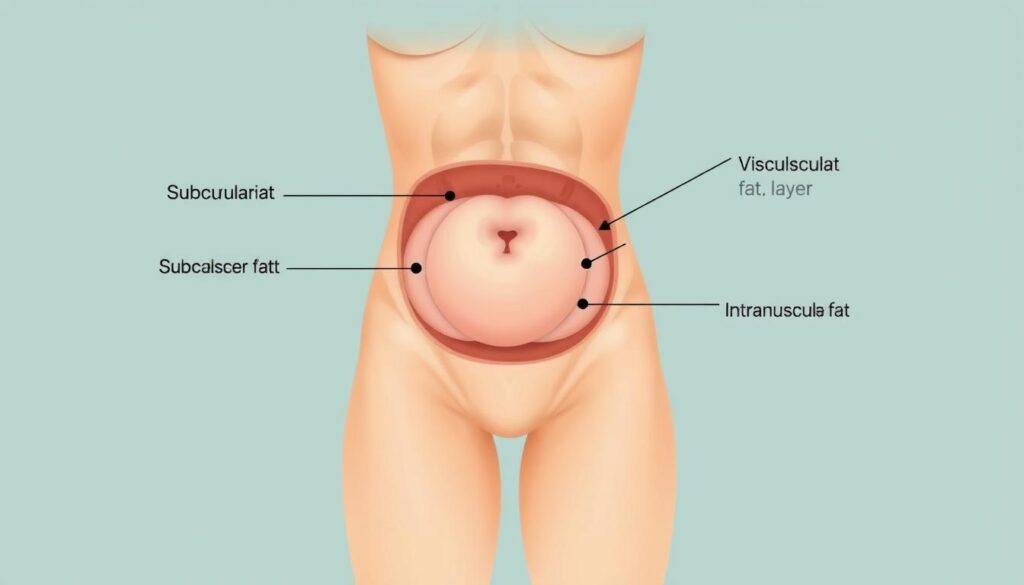
By watching your body fat percentage, you can make better choices about what you eat and exercise. If your body fat percentage is too high, you might need to do more cardio or strength training.
Also, knowing about weight measurements and body fat percentage helps you set better health and fitness goals. By tracking these over time, you can see how far you’ve come. This keeps you motivated to keep going on your health journey.
In short, understanding weight measurements is about more than just tracking your weight. It’s about getting insights into your overall health and making smart choices to improve it.
Common Misconceptions About Smart Scales
Smart scales have changed how we monitor our health, but many myths about their accuracy and limits exist. One big worry is if these devices give correct measurements.
Many think smart scales always give exact results, but that’s not right. Things like how much water you have in your body can change the numbers. Health experts say, “hydration levels can impact body fat percentage measurements,” so it’s important to think about this when looking at smart scale data.
Hydration status is very important because the technology used in smart scales, bioelectrical impedance analysis (BIA), can be affected by water in the body. Being too dry can make your body fat look higher, and being too wet can make it look lower.
To get better results from smart scales, users should step on the scale at the same time every day. It’s best to do this in the morning, right after waking up, and before eating or drinking. Being consistent helps get more accurate readings.
Another myth is that smart scales can tell you everything about your health. They do give useful info like weight, body fat, and muscle mass. But, they should be part of a bigger plan that includes other health checks like blood pressure, what you eat, and how active you are.
“
A smart scale is just one tool in your health arsenal; it’s the combination of data from various sources that will give you a complete picture of your health.
” This way, you make better choices with more health info.
Knowing the limits and myths about smart scales helps us use them best to reach our health and fitness goals.
Maintaining Your Smart Scale
Proper care and maintenance of your smart scale are key to its accuracy and longevity. Regular upkeep ensures it keeps giving reliable weight measurements.
Calibration is a must. Always follow the manufacturer’s calibration instructions for accuracy. Most scales have an auto-calibration feature, but sometimes manual calibration is needed.
Battery life matters too. Replace batteries when needed and use quality ones to avoid performance issues. Some scales have rechargeable batteries for easier use.
Cleaning your scale often is essential. Use a soft cloth and mild detergent. Avoid harsh chemicals that could harm your scale.
“A well-maintained smart scale is not just about accuracy; it’s about understanding your health better.”
Ignoring your smart scale can lead to problems. A dirty or off-calibrated scale can give wrong readings. This can mess up your health and fitness tracking.
By following these easy maintenance tips, you can make your smart scale last longer. Regular calibration, good battery care, and cleaning are essential. They help you get the best from your device.
The Role of Smart Scales in Health & Fitness
Smart scales have changed how we make health choices. They do more than just weigh you. They track body fat, muscle, and even how hydrated you are.
Smart scales give us a detailed look at our body’s makeup. Losing weight means losing fat, not just dropping pounds. They show us how our body fat and muscle are changing.
Smart scales do more than just weigh you. They help us track progress and monitor body changes. This lets us make better choices about what we eat and how we exercise.
By using smart scales for fitness tracking, we can see how we’re doing. This helps us make the right changes to reach our fitness goals. It’s all about tracking and adjusting our plans.
In short, smart scales are key for health and fitness. They give us a full picture of our health. This lets us track our progress, see body changes, and make smart choices to reach our fitness goals.
Smart Scales vs. Other Health Devices
It’s important to know the differences between smart scales and other health devices. Smart scales give detailed insights into body composition. Other devices like BMI calculators and fitness trackers offer different views on health and fitness.
Smart Scales vs. BMI Calculators: BMI calculators show if your weight is healthy for your height. But they don’t show lean body mass and fat mass. Smart scales, though, can measure body fat percentage, muscle mass, and more, giving a detailed health view.
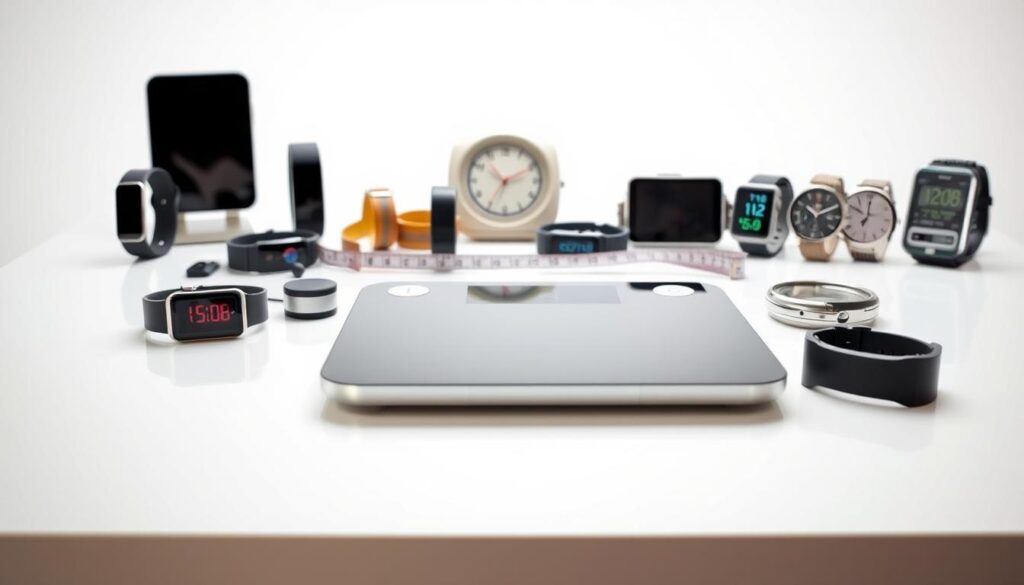
Limitations of BMI: BMI can’t directly measure body fat. It gives a general picture based on height and weight. For athletes or those with a lot of muscle, BMI might not show their true health. Smart scales can give a more accurate view by measuring body composition directly.
Fitness Trackers and Smart Scales: Fitness trackers track daily activity, sleep, and health metrics. Used with smart scales, they give a full view of activity and body composition. This combo is great for those wanting to lose weight or get fitter.
Using Multiple Devices Together
Using smart scales with other health devices can deepen your health understanding. For example, tracking body composition changes with a smart scale and daily activity with a fitness tracker can spot patterns and areas for betterment.
Choosing the Right Tools: The right choice between smart scales, BMI calculators, and fitness trackers depends on your health goals. Smart scales are best for detailed body composition analysis. Fitness trackers are perfect for tracking daily activity.
In conclusion, each health device has its own strengths and weaknesses. Using them together offers a complete health view. Knowing the unique benefits of each can help make better health and fitness choices.
Popular Smart Scale Brands
Choosing a smart scale means looking at popular brands. They offer various features and are accurate. The A&D Medical Premium Wireless scale is a top pick. It has a 450-pound weight limit and works well with Google Fit and Apple Health.
Other brands have special features like body fat analysis and support for multiple users. Reading reviews and comparing these brands helps you decide. You can find the right smart scale for your health goals by looking at features, accuracy, and user feedback.
It’s important to research and compare smart scale brands. This ensures you get a reliable and accurate device. With many options, reading reviews and comparing features is key to making the right choice for your health journey.