
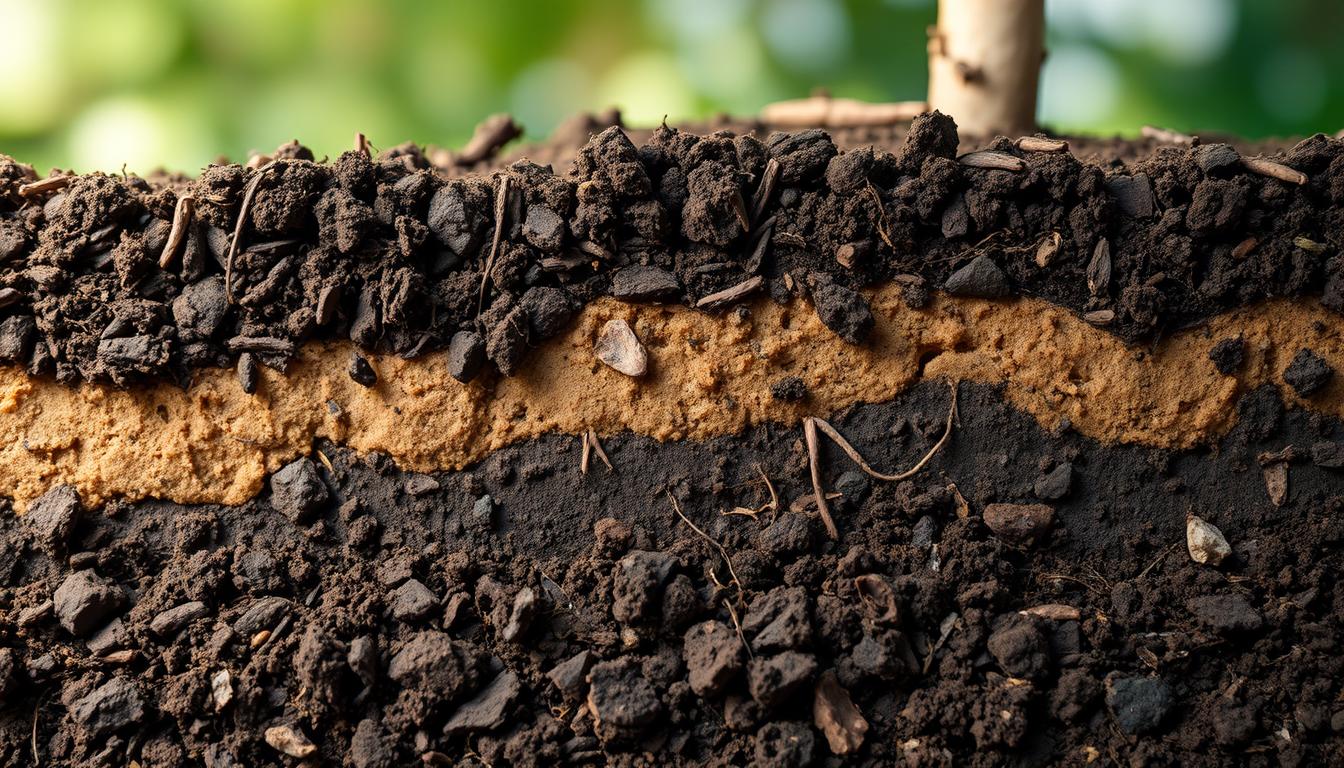
The earth’s surface is covered with a mix of organic material, minerals, air, and water. This mix is vital to our ecosystem.
This diverse mixture goes from sandy beaches to soggy peat bogs and permafrost. It shows the varied composition that supports many ecosystems.
The importance of this natural resource is huge. It’s key to sustaining life on earth.
Getting to know its complexity helps us see its value. It’s important to keep it safe for the future.
The Definition of Soil and Its Importance
Soil is often overlooked, yet it is a key part of our planet. It gives home to many different living things. Soils are essential for life, supporting a wide variety of plants, animals, and tiny organisms.
The definition of soil shows it as a complex, dynamic world that supports life. It’s not just for plants to grow in. It’s alive, breathing, and interacts with the air, water, and living things around it.
The importance of soil is huge. It offers many ecosystem services, like recycling nutrients, filtering water, and storing carbon. These services help keep ecosystems healthy and support many different species.
Soil’s part in nutrient cycling is very important. It helps recycle nutrients that plants need to grow. Also, soil acts as a filter, keeping water clean and stopping pollutants from getting into rivers and streams.
Knowing about the soil definition and its importance helps us see its role in keeping ecosystems alive. By valuing soil, we can help protect it for the next generations.
The Composition of Soil
Soil is key to our ecosystem, made up of minerals, organic matter, and life. It’s more than just a place for plants to grow. It’s a complex system that supports many biological, chemical, and physical processes.
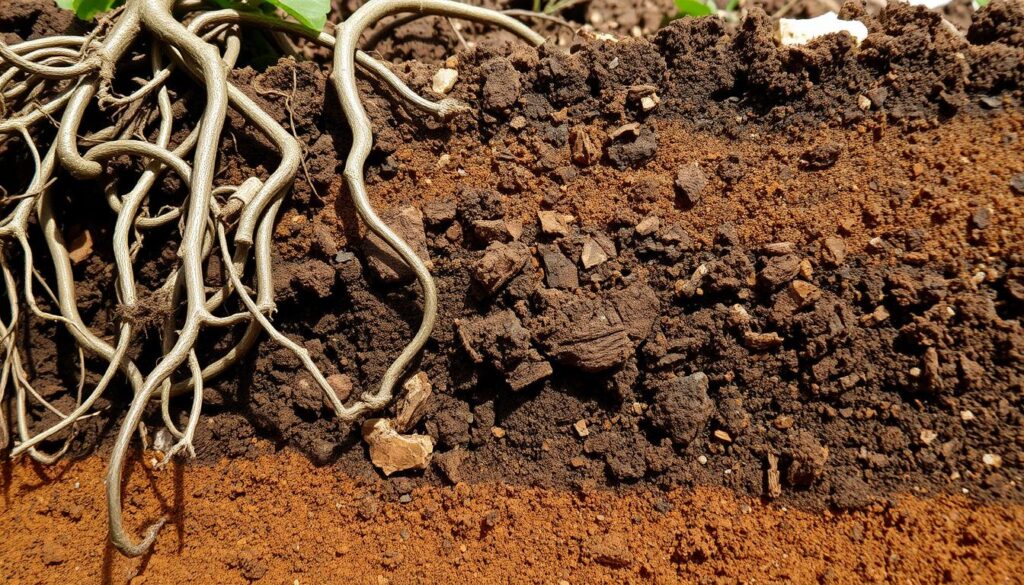
Soil has two main parts: minerals and organic matter. The minerals, like clay, silt, and sand, form the soil’s structure. The mix of these minerals affects how well the soil holds water, breathes, and lets roots grow.
Mineral and Organic Components
Soil minerals offer different nutrients to plants. Clay soils, for example, are rich in nutrients because they hold onto them well. Organic matter, like decaying plants and microbes, is also vital. It stores nutrients, helps soil stick together, and boosts biodiversity.
“Soil is the foundation of all terrestrial ecosystems, and its composition is a key determinant of its functionality and resilience.”
This shows why we must understand and manage soil well. The right mix of minerals and organic matter keeps soil healthy and supports ecosystems.
In summary, soil’s makeup is complex, with each part essential for its function. By managing these components, we can make soil more fertile, support life, and strengthen ecosystems.
Types of Soil
Soils come in many types, each with its own texture, structure, and makeup. These categories help us understand what each soil can do and its limits.
Soil classification systems sort the many soils into groups. The U.S. system of soil classification, or Soil Taxonomy, is a detailed way to do this. It groups soils by their features and qualities.
Soil classification looks at texture, structure, and composition. Texture is about the mix of sand, silt, and clay. Structure is how these particles are arranged. Composition includes the minerals and organic matter. Knowing these helps figure out a soil’s type.
Different soils are good for different things. Some are great for growing crops, while others are better for building or protecting the environment. So, classifying soil helps us choose the right use for each piece of land.
Using Soil Taxonomy helps us identify and sort soils correctly. This improves our knowledge of soil and how to care for it.
Soil Formation Processes
Soil creation is a complex process. It involves many elements working together. This results in the wide variety of soils we see on Earth.
Factors Influencing Soil Formation include climate, organisms, topography, parent material, and time. These elements interact in complex ways. They shape the soil’s characteristics.
Climate
Climate is key in soil formation. It affects weathering rates and the types of plants that can grow. Temperature and precipitation patterns are very important.
Organisms
Organisms, like plants and animals, play a big role. They break down parent material and add organic matter. This helps in soil formation.
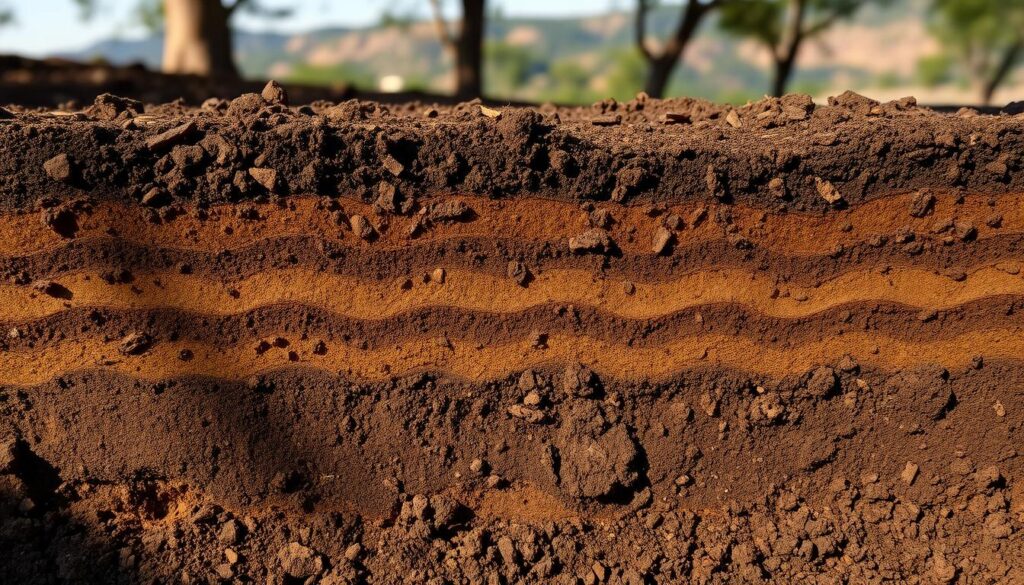
Topography impacts soil formation by affecting drainage and erosion. Parent material is the starting point for soil. Time allows these processes to develop and mature.
Knowing how these factors work together is key. It helps us understand the complexity of soil formation processes and the variety of soils.
The Soil Food Web
Beneath our feet lies a vibrant ecosystem known as the soil food web. It’s full of life and key for plant growth. This complex network includes bacteria, fungi, and archaea. They work together to keep soil healthy and fertile.
The soil microorganisms in the soil food web are vital. They break down organic matter, fix nitrogen, and affect plant health. For example, mycorrhizal fungi help plants by improving nutrient uptake and making them more resilient.
A diverse and thriving soil biodiversity is essential for a strong soil food web. This diversity keeps the ecosystem balanced and supports many plants and animals. By nurturing a healthy soil food web, we can improve soil structure, boost fertility, and support sustainable farming.
Understanding and protecting the soil food web is key for ecosystem balance and soil health. By valuing this underground world, we can help it thrive. This effort will lead to a more sustainable future for us all.
Soil and Plant Growth
The bond between soil and plant growth is complex, involving nutrient cycling processes. Soil gives plants the nutrients, water, and support they need to grow. Nutrient cycling is key to keeping soil fertility high and plants healthy.
Soil’s texture, structure, and pH greatly affect plant health and output. For example, soil that breathes well and holds water supports strong roots. Soil fertility also impacts how easily plants can get the nutrients they need.
Keeping soil fertility up is vital for healthy plant growth. This can be done by rotating crops, adding organic matter, and reducing soil disturbance. By grasping the soil-plant growth connection, farmers and gardeners can enhance soil health and boost plant yields.
Also, nutrient cycling is vital in soil ecosystems. It changes nutrients from one form to another, making them usable by plants. Soil microbes like bacteria and fungi help by breaking down organic matter and freeing up nutrients.
Soil Conservation Techniques
Soil erosion is a big problem for soil health. We need strong conservation methods to fight it. These methods help reduce erosion and keep soil fertile.
Terracing is a key strategy. It makes flat areas on slopes to stop erosion. This method also saves water.
Cover cropping is another good way. It involves planting crops between main crops to protect the soil. Cover crops stop erosion by holding the soil and making it healthier with organic matter.
Reduced tillage is also important. It means less plowing, which keeps the soil intact. This helps keep organic matter and structure, reducing erosion.
As
“Soil is a finite resource, and its conservation is critical for sustainable agriculture and environmental health.”
Using these techniques helps keep soils healthy.
In summary, methods like terracing, cover cropping, and reduced tillage fight soil erosion. They protect soil health and support sustainable farming.
Soil pH and Its Effects
Soil pH, or its acidity or alkalinity, greatly affects microbes and plant nutrition. It measures hydrogen ion concentration in soil solution. This impacts nutrient availability for plants.
Understanding Soil pH is key because it changes mineral and nutrient solubility. This makes nutrients more or less accessible to plants. A soil pH that is too high or too low can cause nutrient deficiencies or toxicities, harming plant growth.
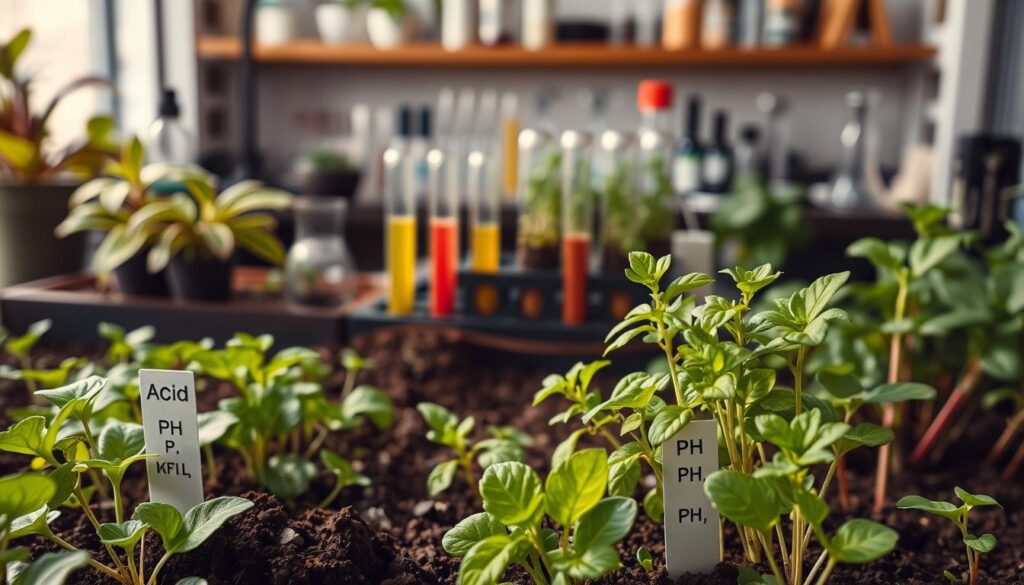
Soil pH also influences microbial activity. Microbes are essential for decomposing organic matter, fixing nitrogen, and fighting diseases. A suitable soil pH supports these microbial activities, leading to healthier plants.
“The pH of the soil is a master variable that influences many biological, chemical, and physical processes in soil.”
Managing soil pH is vital for better plant growth. This might involve adding lime to increase pH or sulfur to decrease it. Regular soil testing is needed to adjust pH levels. By managing soil pH, we can create a better environment for plants to grow.
In summary, soil pH is a key factor in soil health and plant productivity. Recognizing its importance and managing it can enhance soil fertility and health.
The Role of Soil in Carbon Sequestration
Soil is key in fighting global warming through carbon sequestration. It holds more carbon than the atmosphere and plants together. This makes soil a vital part of the global carbon cycle.
The process of soil carbon storage adds organic matter to soil. This happens through roots, plant residue breakdown, and soil life. This stored carbon helps keep carbon dioxide out of the air, fighting climate change.
There are ways to boost soil carbon sequestration. Using conservation tillage and cover crops in farming helps. Adding organic materials also works. These methods improve soil health and its carbon storage, helping with climate change mitigation.
Keeping or growing soil organic matter is essential. This can be done by reducing soil disturbance and using crop rotations. Adding organic fertilizers also helps. These actions support the soil’s role in the global carbon cycle and fight climate change.
In summary, soil is essential for carbon storage and climate change mitigation. By learning about soil carbon sequestration and using practices that improve it, we can help reduce global warming’s effects.
Urban Soil Management
Urban soils face many challenges, like contamination and compaction. They need careful management. This is key for keeping ecosystems healthy and supporting urban life.
The problems with urban soils are many. Pollutants can contaminate them, and heavy traffic can compact the soil. There’s also little room for soil to renew itself.
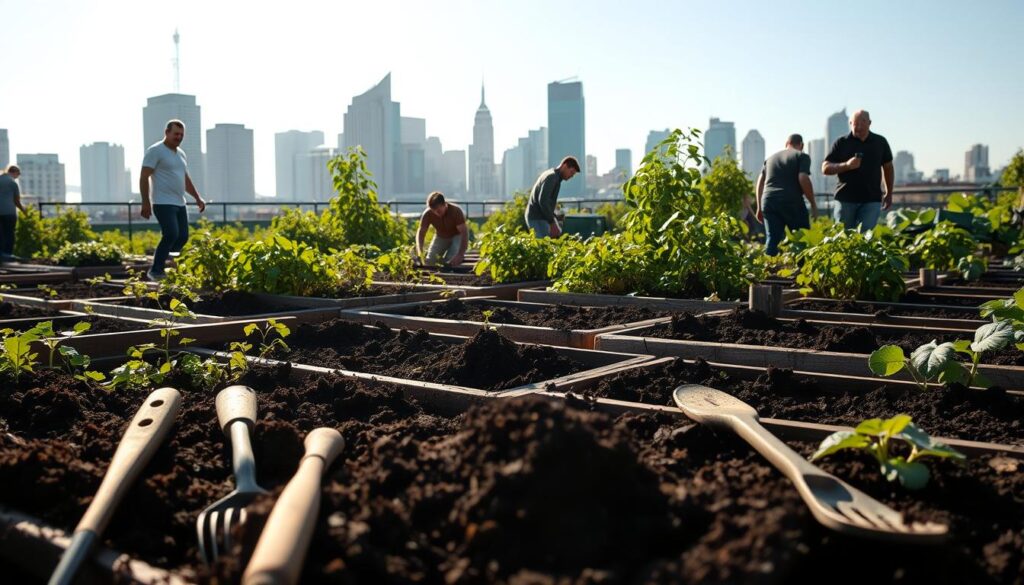
Cities are finding new ways to tackle these soil challenges. They’re using soil cleanup methods, green spaces to lessen compaction, and planning that puts soil health first.
By managing urban soils well, cities can boost biodiversity and improve water quality. This makes living spaces healthier for everyone. It’s a big job, but it’s vital for urban areas to thrive.
The Future of Soil Health
Soil health is at a critical point, facing both challenges and opportunities. Threats include erosion, salinization, and climate change. Erosion causes the loss of fertile topsoil and harms water bodies.
Yet, there are ways to improve soil health. Practices like crop rotation, cover cropping, and reduced tillage boost soil quality. Agroforestry and permaculture also help in soil conservation and restoration.
Improving soil health depends on adopting sustainable practices. Farmers, policymakers, and consumers must work together. This effort will help soils support biodiversity, agriculture, and climate regulation for future generations.
Investing in soil health is vital for the environment and economy. Healthy soils lead to better crop yields, water retention, and climate resilience. This supports food security and sustainable development.
How to Care for Your Soil
Caring for your soil is key to keeping it healthy and fertile. Simple practices can greatly improve soil care and help with soil conservation.
Reducing tillage is a good start. It minimizes soil disturbance, keeping its structure and organic matter intact. Using cover crops is also beneficial, as it boosts soil health and prevents erosion.
Adding organic amendments like compost or manure can also enhance soil fertility. These actions together create a thriving soil ecosystem. This supports plant growth and biodiversity.
By following these soil care strategies, you’ll see many benefits. You’ll get better crop yields and more water retention. Effective soil conservation and improvement are vital for sustainable land management and a healthier environment.