
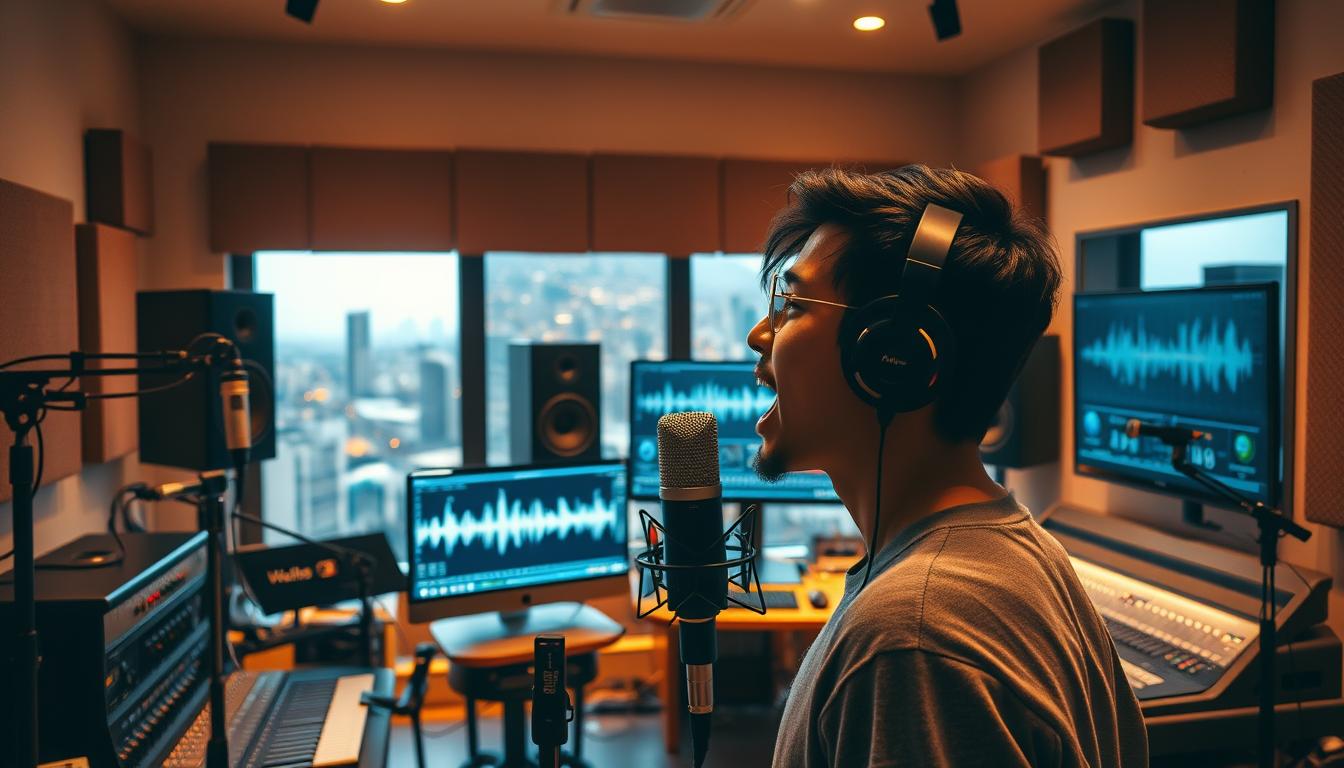
Creating music is no longer just for those who play traditional instruments. New tools like Dubler and La Scratcheuse’s beat maker have made it easy to make beats with your voice. This is a big change.
This method, also known as beatboxing, lets people make music with their voice. It’s a cool way to express yourself in vocal music production. It’s changing how we make music.
Now, you can make beats without needing to learn hard instruments. This makes music production easy for everyone. It’s a new chance for musicians and producers to explore.
What is Beatboxing?
Vocal percussion, also known as beatboxing, is a special way to make music with your mouth. It uses your lips, tongue, and voice to create sounds.
This art has been around for a long time. But it’s become more popular with social media and music apps. Beatboxing techniques let artists make complex rhythms and sounds, like drum machines.
The history of beatboxing is tied to vocal percussion. It’s been used in many cultures worldwide. Over time, it has changed with new music styles and technology.
Today, beatboxing is more than just a fun trick. It’s a valuable skill in music production. Many artists use it to make their music stand out and reach fans everywhere.
Learning about beatboxing helps us see the creativity and talent behind it. It shows how vocal expression can be a powerful part of music.
The Basic Sounds of Beatboxing
Beatboxing starts with basic sounds that help create complex rhythms. It uses vocal drum sounds and other sounds made with the mouth, lips, and voice.
At its heart, beatboxing is about making drum sounds with your voice. It mimics drum machines and other instruments like kick drums and snare drums. La Scratcheuse’s beat maker shows how versatile beatboxing can be.
Creating Drum Sounds with Your Voice
Beatboxers use special vocal techniques to make sounds. For example, the kick drum needs a deep sound, and the snare drum a sharp one. Hi-hats are made with soft “ts” or “ch” sounds, which can change pitch.
A famous beatboxer said, “Beatboxing is not just making sounds. It’s about making music with your voice.” This shows the creative side of beatboxing and the need for practice.
“Beatboxing is a form of vocal percussion that involves creating music, rhythm, and beats using one’s mouth, lips, tongue, and voice.”

Learning these basic sounds is key for beatboxers. By practicing, you can mix different sounds to make complex music. The goal is to find your own style by trying new things.
Essential Beatboxing Techniques
Beatboxing is built on three key techniques: breathing, vocal placement, and rhythm. These are vital for making the wide range of sounds in beatboxing.
Breathing is the core of beatboxing. It gives the air needed to make different sounds. Using diaphragmatic breathing helps control the sounds better. Doing deep breathing exercises can really boost your beatboxing skills.
Vocal placement is about placing your voice in different spots in your mouth and lips. This makes different sounds. It takes practice to get good at it, as you need to move your lips, tongue, and vocal cords right.
Rhythm is also key in beatboxing. It’s about making patterns and timing that sound good together. To get better at rhythm, practice with music and try out different patterns.
Practicing often and recording yourself is important to see how you’re doing. Tools like Dubler’s vocal-to-MIDI tech can help too. They give you visual feedback on your sounds.
Getting Started: Equipment and Environment
To start beatboxing, you need the right tools and a good recording space. Beatboxing is about talent, practice, and the right gear to make great sounds.
A good microphone is key for capturing your beatboxing. Dynamic microphones work best for beatboxing because they handle loud sounds well. Shure and Sennheiser make top-notch microphones for musicians and beatboxers.
You also need music production software for beatboxing. Tools like Dubler and La Scratcheuse’s beat maker make it easy to create and edit your tracks. These tools help you practice and improve your skills.
Having a great recording environment is also important. A quiet room with little echo is best for recording. You can make your space sound better by using soundproofing or DIY solutions like blankets to cut down echo.
“The art of beatboxing is not just about making sounds; it’s about creating music that resonates with others. Having the right equipment and environment can elevate your craft.”
Don’t spend too much on gear when you’re starting. Start with the basics and upgrade as you get better. Try out different microphones, software, and spaces to see what works for you.
Building Your Beatboxing Skills
Improving at beatboxing takes time and effort. It involves regular practice, trying out different patterns, and using the right tools. Consistent practice is essential to get better. It helps you make more sounds and complex rhythms.
Begin with vocal exercises to strengthen your voice. Simple tasks like lip trills or tongue twisters work well. As you get better, add more complex sounds and techniques to your routine.
Using tools like Amped Studio can really help. These platforms let you create, record, and practice beatboxing patterns. They’re great for music improvement.
Beating common beatboxing hurdles, like mastering sounds or keeping rhythm, takes time. Stay patient and keep practicing. Learning from your mistakes is important.
With regular practice, vocal exercises, and the right tools, you can boost your beatboxing skills. Enjoy the creative journey of making music with your voice.
The Role of Rhythm in Beatboxing
Understanding rhythm is key to mastering beatboxing. It lets artists create complex and captivating beats. Rhythm is the backbone of music, and in beatboxing, it’s vital for the sound and feel.
In beatboxing, rhythm is essential for vocal percussion. It sets the flow and timing of sounds. A strong rhythmic foundation lets beatboxers try new techniques and sounds. Tools like La Scratcheuse’s beat maker offer loops and rhythms to help develop skills.

Basic music theory is also important in beatboxing. Knowing about different rhythms and time signatures helps beatboxers create sophisticated beats. It’s not just about mimicking drum machines; it’s about making music that connects with listeners.
The use of rhythm in beatboxing is wide-ranging. It goes from simple hip-hop beats to complex EDM rhythms. By mastering rhythm, beatboxers can explore new creative possibilities and expand what’s possible with vocal percussion.
In conclusion, rhythm is a key element in beatboxing. It affects every part of the performance. By understanding and mastering rhythm, beatboxers can improve their craft and help evolve this unique form of musical expression.
Beatboxing in Popular Culture
Beatboxing has made a mark in the music world, changing music trends and vocal performance methods. Its ability to adapt has led to its appearance in music videos, films, and live shows. This shows its wide appeal and impact on popular culture.
Beatboxing in music videos is quite striking. Many artists have included it in their songs and performances. This showcases beatboxers’ talent and introduces the art to more people, boosting its popularity.
In movies, beatboxing is seen as a special talent. It adds something unique to soundtracks or shows off characters’ abilities. This makes beatboxing a big part of popular culture, beyond just a talent.
Live shows have also been influenced by beatboxing. Many artists and bands now include beatboxers in their performances. This mix of traditional music and beatboxing offers a fresh sound experience, expanding vocal performance and improving the concert experience.
Beatboxing’s effect on music trends is clear in its use across different genres, from hip-hop to pop. It has become a key skill for musicians and performers aiming to make a mark in the industry.
Community and Collaboration in Beatboxing
The rise of online communities has changed beatboxing a lot. Social media and forums let beatboxers connect, share, and work together worldwide.
The beatboxing community is now more lively and varied. Artists from all over join to make new sounds. This global link has opened doors for music collaboration, making projects that were once dreams come true.

One big plus is learning from each other. Online tutorials and workshops help new beatboxers improve. As Biz Markie said, “The beat is the heart of the song, and beatboxing is the heartbeat of hip-hop.” Many see collaboration as a way to explore new sounds with vocal percussion.
“The beauty of beatboxing lies in its ability to bring people together, creating a universal language that transcends cultural and geographical boundaries.” –
Local meetups and events are also key. They let beatboxers meet, share, and work on new projects. These events are vital for building community and finding new talent.
In summary, online platforms and local events have made a great space for music collaboration. As the beatboxing community grows, we’ll see more amazing collaborations.
Advanced Beatboxing Techniques
The world of beatboxing is vast, and advanced techniques are the key to unlocking new creative possibilities. As beatboxers continue to innovate, they often turn to advanced tools and methods to enhance their craft.
Technology has greatly expanded vocal capabilities in beatboxing. Tools like Dubler and Amped Studio allow beatboxers to layer sounds, create complex rhythms, and experiment with various vocal effects. These tools improve sound quality and open up new creative avenues.
Advanced beatboxing techniques involve mastering complex rhythms that challenge the beatboxer’s timing and coordination. By incorporating intricacy and polyrhythms, beatboxers can create dynamic and engaging performances. A renowned beatboxing artist once said,
“The beauty of beatboxing lies in its ability to push the limits of human vocal expression.”
This quote captures the essence of exploring advanced techniques in beatboxing.
Layered sounds are another critical aspect of advanced beatboxing. By using technology to layer different sounds, beatboxers can achieve a fuller and more textured sound. This technique adds versatility to music production and live performances.
Vocal effects are also key in advanced beatboxing. Techniques like reverb, delay, and distortion can enhance sound quality. Experimenting with different vocal effects can help beatboxers develop a unique sound.
To incorporate these advanced techniques into your practice, start with consistent practice and patience. Begin by mastering the basics, then gradually introduce more complex techniques. As you become more comfortable, experiment with different tools and effects to find what works best for you.
The Future of Beatboxing
Music technology and vocal innovation are changing beatboxing. The future looks bright, with new tech and creative ideas leading the way.
Emerging Trends: Music tech is a big deal for beatboxing. AI tools and software are getting better, making it easier to create sounds and rhythms. Apps that analyze and make beatboxing patterns are already helping artists.
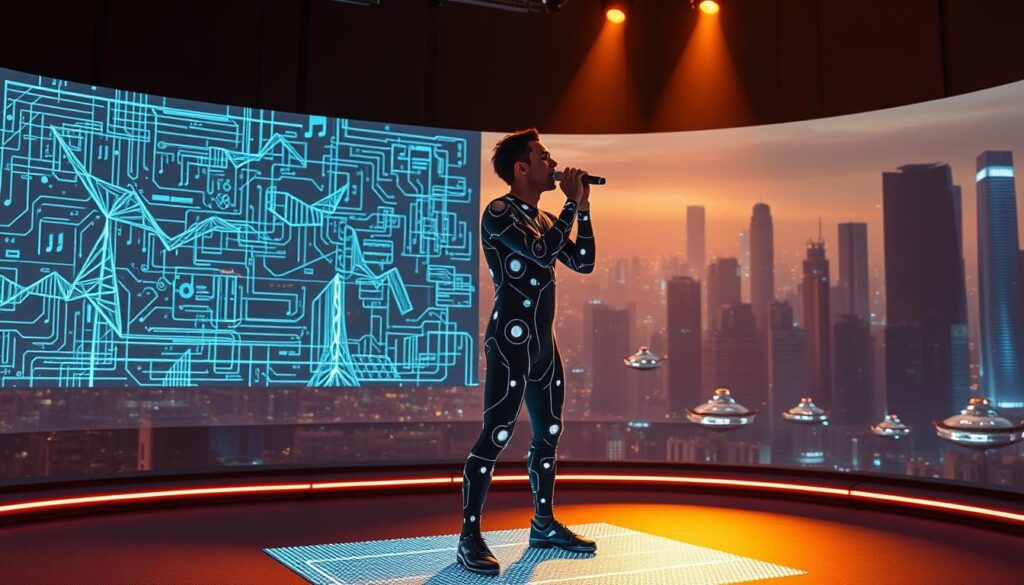
This tech boost opens up new ways for beatboxers to work together and perform. Virtual and augmented reality will also change beatboxing, making shows more immersive than ever.
Vocal innovation is key to beatboxing’s future. Artists are always finding new ways to use their voices. With tech and creativity, beatboxing is set to soar to new levels.
Learning Resources for Aspiring Beatboxers
Thanks to the internet, learning beatboxing is easier than ever. There are many beatboxing resources online. These include tutorials, guides, and more to help you get better.
Video lessons are a great way to learn beatboxing. YouTube has many channels focused on beatboxing. You can find everything from basic to advanced techniques on channels like Beatbox Tutorial and Swissbeatbox.
Online courses and music tutorials are also available. You can find them on Udemy and Skillshare. These courses offer lessons, practice, and feedback to improve your skills.
If you like reading, there are beatboxing books too. These books cover techniques, performance tips, and the history of beatboxing.
Joining online communities and forums is also a good idea. Websites like Reddit’s r/beatboxing community offer feedback, collaboration, and learning from others. It’s a great way to connect with other beatboxing fans.
Beatboxing as a Form of Self-Expression
Beatboxing lets people share their feelings and thoughts through sound. It turns the voice into an instrument, creating unique sounds that show off a person’s personality.
This art form tells stories and stirs emotions. It connects people in a special way. Beatboxing’s freedom lets artists explore and express themselves in new ways.
It lets people use their imagination to share their ideas. This form of expression is not just about sound. It’s a way to share views and find common ground with others.
Beatboxing keeps growing, staying a lively way to express through voice. It opens up new ways for people to share themselves and bond with others.