
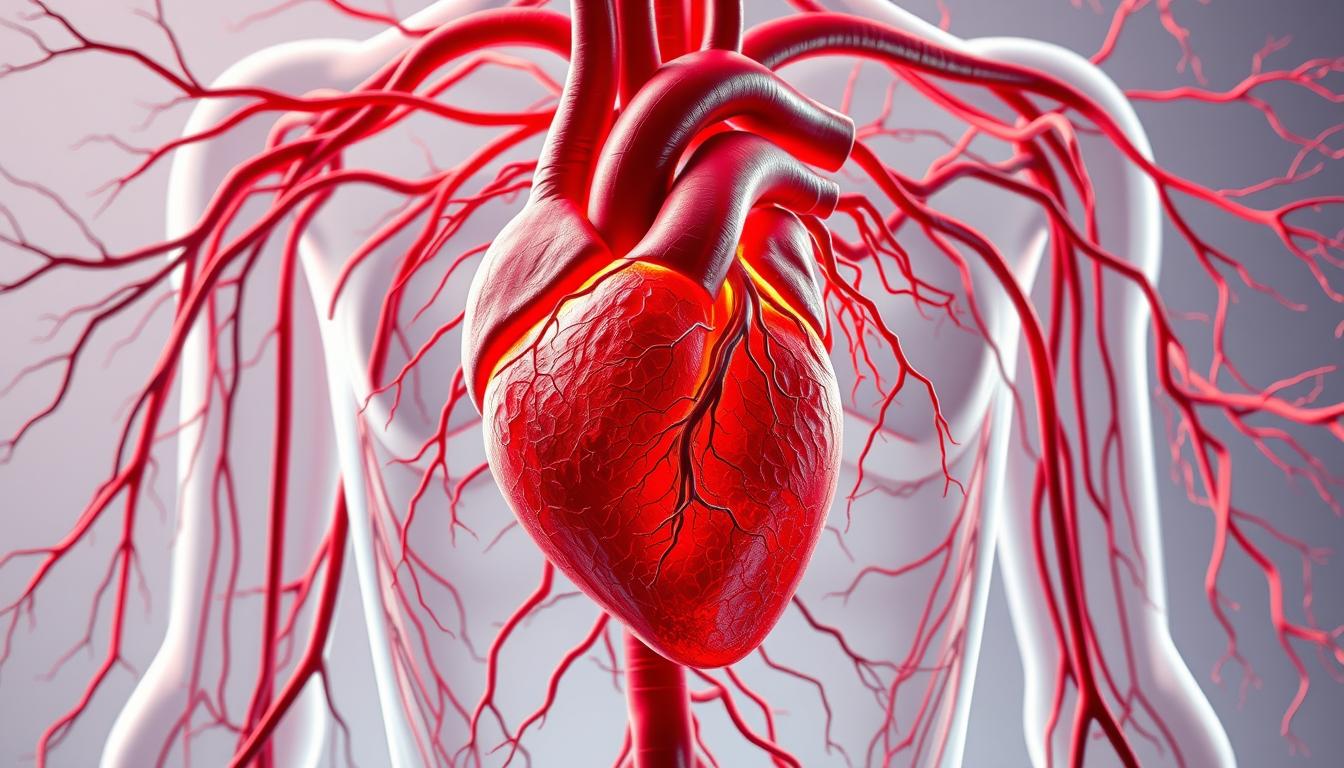
The heart is a vital organ that plays a central role in the circulatory system. It ensures that blood circulates throughout the body. This is key for delivering oxygen and nutrients to tissues and removing waste.
Maintaining cardiovascular health is essential for overall well-being. It directly impacts the body’s ability to function properly. The heart works in harmony with a network of blood vessels to keep blood flowing.
Understanding how the heart functions is important for health. By focusing on cardiovascular health, individuals can prevent heart-related issues. This knowledge helps in maintaining overall health.
Introduction to the Heart
The heart is at the center of the cardiovascular system. It pumps blood all over the body. This process supplies oxygen and nutrients to tissues and removes waste.
The heart beats around 100,000 times daily and pumps about 2,000 gallons of blood. This hard work is key to keeping the body running smoothly.
The cardiovascular system’s success depends on the heart’s pumping ability. The heart’s pumping is a complex task. It involves the chambers, valves, and blood vessels working together.
The heart’s main job is to circulate blood. This ensures tissues and organs get the oxygen and nutrients they need. The heart’s role in the cardiovascular system is vital for our health.
Heart Anatomy
The heart’s anatomy is a true marvel of nature. It has four chambers: the right and left atria, and the right and left ventricles. These parts work together to make sure blood flows well through the heart.
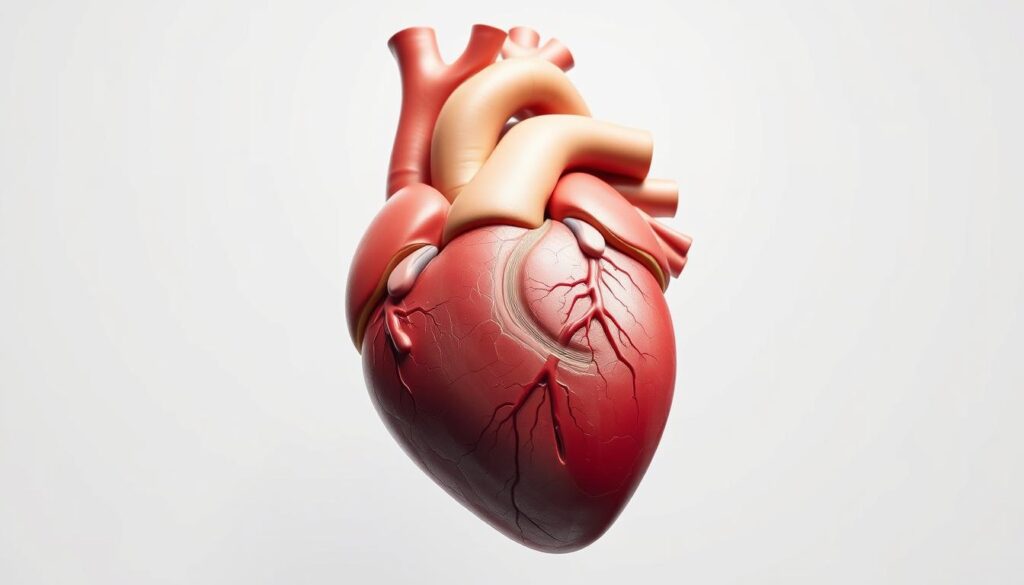
The right atrium gets deoxygenated blood from the body. This blood then goes to the right ventricle. The right ventricle sends it to the lungs to get oxygen.
At the same time, the left atrium gets oxygen-rich blood from the lungs. This blood then goes to the left ventricle. The left ventricle sends this blood to the body.
Understanding the Heart’s Structure
The heart also has four valves to keep blood moving in one direction. The tricuspid valve is between the right atrium and ventricle. The pulmonary valve is between the right ventricle and the pulmonary artery.
The mitral valve is between the left atrium and ventricle. The aortic valve is between the left ventricle and the aorta. These valves are key to stopping backflow and keeping circulation smooth.
A cardiology expert once said,
“The heart’s structure is a masterpiece of evolution, with each component working in concert to maintain the delicate balance of circulation.”
The heart’s wall has three layers: the epicardium, myocardium, and endocardium. The myocardium, being the muscular layer, is key for the heart’s pumping action.
In summary, the heart’s anatomy is complex and highly specialized. Its chambers, valves, and layers work together to pump blood efficiently. This ensures the body’s tissues get the oxygen and nutrients they need.
How Blood Circulates
It’s important to know how blood moves through the heart to understand heart health. Blood circulation is key for delivering oxygen and nutrients to our bodies. It also helps remove waste.
The journey starts with deoxygenated blood coming back to the heart through veins into the right atrium. Then, it goes to the right ventricle. This ventricle pumps it to the lungs for oxygen.
After getting oxygen in the lungs, the blood goes back to the heart. It enters the left atrium and then the left ventricle. The left ventricle’s strong heart’s pumping action sends the oxygen-rich blood to the body through arteries.
The heart’s chambers and valves are key to this process. Valves make sure blood flows only one way, avoiding backflow. The heart’s chambers work together to keep blood moving smoothly.
In short, blood circulation through the heart is a complex, vital process. It’s essential for life. Knowing how it works helps us see why heart health is so important.
The Electrical System of the Heart
The heart’s electrical system is at its core. It controls the heartbeat, making sure the heart muscle works together. The heart’s electrical conduction system, led by the sino-atrial node, acts as the heart’s natural pacemaker.
The sino-atrial node, in the right atrium, starts the electrical impulses. These impulses then move to the atrioventricular node and then to the ventricles. This makes the heart beat in a rhythmic cardiac rhythm needed for blood flow.
These electrical impulses are key for the heart’s pumping action. Without them, the heart might beat irregularly, causing arrhythmias or other heart problems. So, heartbeat regulation is essential for heart health, and any issues can be serious.
Knowing about the heart’s electrical system helps doctors diagnose and treat heart conditions. New medical technologies have improved how we monitor and manage heart rhythm disorders. This has greatly helped people with heart conditions live better lives.
In summary, the heart’s electrical system is vital for its function. It ensures the heart beats in a coordinated and rhythmic way. Keeping this system healthy is key for good heart health.
The Heart’s Pumping Action
The heart’s pumping action is key to life. It involves contraction and relaxation phases. These phases help the heart pump blood to the body and lungs efficiently.
The cycle has two main parts: systole and diastole. Systole is when the heart muscle tightens and pushes blood out. Diastole is when it relaxes and fills with blood again.
During systole, the ventricles contract. This pushes blood into the aorta and pulmonary artery. The heart’s electrical system powers this contraction.
The ventricles must create enough pressure to beat against the body’s vascular system. This ensures blood reaches every corner of the body.
In diastole, the ventricles relax and refill with blood. This phase is vital for the heart to fill up before the next contraction. It keeps blood flowing smoothly.
The heart’s pumping action is a team effort. The electrical system starts the heartbeat, and the heart muscle contracts and relaxes in sync. This teamwork is what keeps blood flowing through the body.
Blood Flow Through the Heart
It’s important to know how blood moves through the heart. The heart is a complex organ that pumps blood all over the body. It supplies oxygen and nutrients to our tissues and organs.
Blood comes into the heart through veins and into the atria, the heart’s upper chambers. The right atrium gets deoxygenated blood from the body. The left atrium gets oxygenated blood from the lungs. Then, blood moves into the ventricles, the heart’s lower chambers, through special valves.
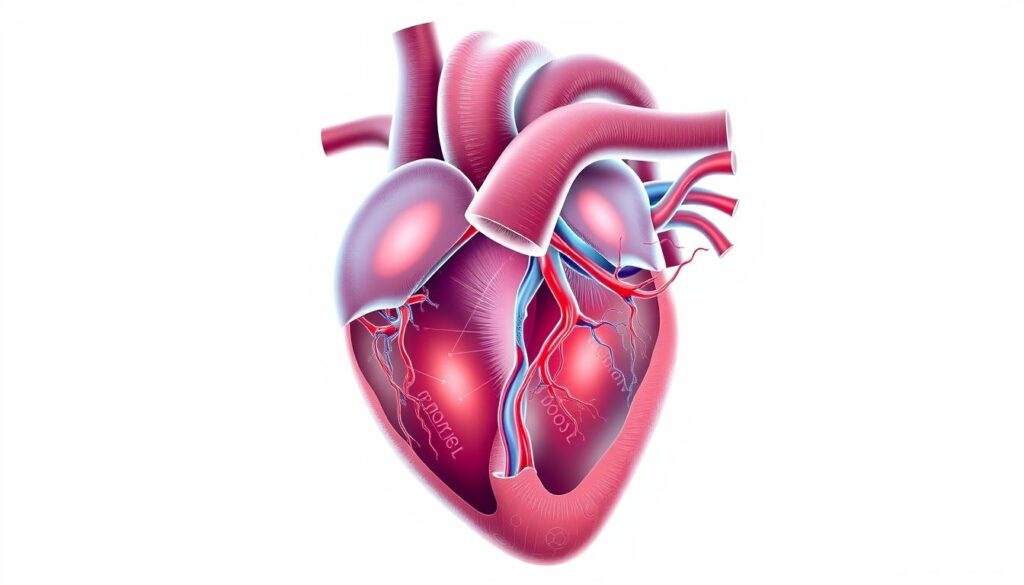
When blood enters the ventricles, the tricuspid valve lets it flow from the right atrium to the right ventricle. The mitral valve lets it flow from the left atrium to the left ventricle. After the ventricles fill up, they contract and pump blood out.
The right ventricle sends blood to the lungs for oxygen. The left ventricle sends blood to the rest of the body.
“The heart’s pumping action is a highly coordinated process that relies on the precise flow of blood through its chambers and valves.”
The circulatory pathway is key for delivering oxygenated blood to the body’s tissues and organs. As blood moves through the heart, it goes through chambers and valves. This ensures oxygenated and deoxygenated blood stay separate.
In summary, blood flow through the heart is a complex process. It involves many chambers and valves working together. Understanding this is key to seeing the heart’s vital role in our health.
Factors Affecting Heart Health
Heart health is shaped by many lifestyle choices and risk factors. Studies show that diet, exercise, smoking, and alcohol use greatly affect heart health.
Diet and Nutrition: Eating a balanced diet is key. Include fruits, vegetables, whole grains, and lean proteins. Avoid too much saturated fats, sodium, and sugar to lower heart disease risk.
Regular Exercise: Exercise keeps the heart healthy. It boosts circulation, strengthens heart muscles, and lowers disease risk. Aim for 150 minutes of moderate exercise weekly.
Health experts stress, “A healthy lifestyle is key to preventing heart disease.”
“The most effective way to prevent heart disease is to adopt a healthy lifestyle, including a balanced diet, regular physical activity, not smoking, and moderate alcohol consumption.”
Smoking and too much alcohol are big heart disease risks. Smoking harms blood vessel linings, making them more likely to block. Too much alcohol can cause high blood pressure, heart failure, and stroke.
By choosing healthy lifestyles, people can lower heart disease risk. Regular health checks and monitoring can help catch and prevent problems early.
Common Heart Conditions
It’s important to know about common heart conditions to keep your heart healthy. Conditions like coronary artery disease, heart failure, and arrhythmias can harm your heart’s function.
Coronary artery disease happens when the arteries that carry blood to the heart get narrowed or blocked. This can cause heart attacks and needs quick medical help.
Heart failure means the heart can’t pump enough blood for the body. It can be caused by many things, like coronary artery disease, high blood pressure, and diabetes.
Arrhythmias are irregular heartbeats that can be too fast, too slow, or irregular. Some are harmless, but others are serious and need treatment.
To prevent or manage these conditions, making lifestyle changes is key. Eating well, exercising, and not smoking can help. Early treatment can greatly improve outcomes for heart condition patients.
Prevention strategies include controlling high blood pressure, managing diabetes, and keeping a healthy weight. Knowing about these conditions and taking action can lower your risk of heart disease.
Maintaining a Healthy Heart
Keeping your heart healthy is key to a full and active life. A healthy heart is essential for your overall well-being. There are many heart health tips that can help with cardiovascular wellness.
Adopting a healthy lifestyle is vital for heart health. Keeping a healthy weight is important, as extra weight can strain the heart. Eating a balanced diet with fruits, vegetables, whole grains, and lean proteins is also key. These foods are nutritious and help manage weight and lower heart disease risk.
Regular exercise is another important part of heart health. Activities like walking, jogging, cycling, or swimming for 150 minutes a week boost heart health. Exercise strengthens the heart, improves circulation, and lowers blood pressure.
Managing stress is also critical for heart health. Chronic stress can lead to harmful behaviors like overeating or smoking. Meditation, yoga, or deep breathing exercises can help reduce stress.
Regular check-ups with your healthcare provider are also essential. Monitoring blood pressure, cholesterol levels, and diabetes helps catch and manage heart health issues early.
By following these heart health tips, you can greatly improve your cardiovascular wellness. Enjoy a healthier, more vibrant life by making these changes a part of your daily routine.
Advances in Heart Health Research
Studies on heart health are making big strides in managing heart conditions. Recent years have brought major breakthroughs in cardiology research. This has improved our understanding of heart diseases and how to treat them.
The field of cardiovascular research is growing fast. New technologies and methods are being developed to better diagnose and treat heart issues. A big focus is on creating new treatments that fit each patient’s needs, like personalized medicine.

Also, heart health research is moving towards prevention. Studies show that changing your lifestyle, like eating better and exercising, can lower heart disease risk. This preventive approach is key in modern cardiology.
New imaging techniques in cardiovascular imaging are also a big deal. They help diagnose heart conditions earlier and more accurately. This means doctors can act sooner and more effectively.
The future of heart health research is bright. Ongoing studies are looking into gene therapy and regenerative medicine. These could change how we treat heart disease, giving patients new hope.
Conclusion
The heart is a vital organ that plays a central role in maintaining overall health. Understanding its function and how to maintain its health is key to preventing cardiovascular diseases.
A heart health summary shows the importance of a healthy lifestyle. This includes a balanced diet, regular exercise, and managing stress. These habits are essential for keeping the heart healthy.
In conclusion, a healthy heart requires a holistic approach. This includes making lifestyle changes and getting regular health check-ups. By doing so, individuals can greatly reduce their risk of heart disease. This leads to better overall health and a positive outcome for cardiovascular health.